





Home > News > Company News
How to Choose Office Lounge Furniture
2024-10-11
Choose office lounge furniture around the measured room, the people using it and the maintenance routine. A useful selection process compares layouts, samples and quoted specifications before an order is placed.
Choose the layout by the activity it must support first
Write one main use into the brief before counting seats. A reception arrangement that lets visitors sit and leave easily may use the same floor area differently from a group meeting around a table. If one lounge must do both, rank the activities and identify which layout changes staff will actually make.
| Main activity | Trial with intended users | What to change if it does not work |
|---|---|---|
| Waiting visitors | Stage arrivals while seats are occupied. Check sitting down, standing up, bag placement and the path to reception. Try the proposed chair and sofa options with different users. | Change seat type or position if a visitor needs to move another person’s furniture to leave. Remove a table or reduce the furniture count if bags and occupied seats consume the intended route. |
| Short informal meetings | Seat the planned group with the actual table or a matching mock-up. Ask each person to use a notebook or device and reach the surface in the intended posture. Record whether seats are pulled into circulation space. | Change table height, shape or position; compare another seat depth. If people must repeatedly lean forward or rearrange the group, decide whether a more upright meeting arrangement fits the activity. |
| Staff breaks and changing groups | Try the proposed social group and a separate-seat arrangement. Have the staff responsible for resets follow the supplier’s moving and connector instructions. | Keep a fixed layout if resets are impractical. If rearrangement matters, revise module weights, connectors, number of pieces or the reset procedure before buying. |
For a sofa comparison, record overall depth and usable seat depth separately. Use the same measuring reference on both samples; the sofa seat-depth guide explains that distinction. The final choice still depends on the people and activity in the office trial.
Run one occupied-layout trial before comparing final prices
Use the proposed room arrangement and the actual sample where possible. If a table or seat is represented by a mock-up, record that substitution and leave the unresolved product checks open. A floor plan verifies location; a trial shows how people use the arrangement.
- Name the task. Record the main activity, expected occupied seats and any secondary activity. Ask participants to perform that task with the items they normally bring.
- Observe the conflict. Write what moved and why: a chair pulled into a route, a bag on the table, a screen obstructing conversation or a person unable to reach the table comfortably. Avoid recording only “comfortable” or “good layout.”
- Change one variable. Try a different table position, seat depth or module arrangement. Repeat the task and keep the layout revision that resolves the priority issue without creating another one.
- Review operation and care. Have the facilities team check access for the cleaning method specified for the covering, moving instructions and access to any connectors or power components included in the order.
Blank trial note: Room/plan revision: ____ · Primary activity: ____ · Sample/model and covering: ____ · Participants and items used: ____ · Observed conflict: ____ · Change tried: ____ · Result: ____ · Open action/owner: ____ · Next review date: ____.
Keep layout approval, covering approval and unresolved product documentation as separate decisions. For example, agreeing the arrangement does not identify the final fabric code; approving a fabric colour does not approve a different seat construction.
Match the evidence to the seating you are specifying
If the brief calls for a seating performance report, identify the seating category as well as the standard and edition. BIFMA’s Standards Compliance Product Specification Language, p.1, items 1 and 4, distinguishes general office seating under ANSI/BIFMA X5.1 from lounge and public seating under ANSI/BIFMA X5.4, which includes seating for shared indoor spaces and multiple-seat units.
Ask the supplier or testing body to explain how the proposed report covers the quoted model, frame, legs and any connected configuration. If the quotation substitutes a component, record whether the evidence remains applicable or needs clarification. The standard name in a catalogue does not identify which product was assessed.
Close the quotation review against the same plan revision, item schedule, samples and delivery scope. This lets the purchasing team see whether a lower price reflects the same approved arrangement or a change in seat type, covering, connectors or included work.
Check the finish and daily care in the room
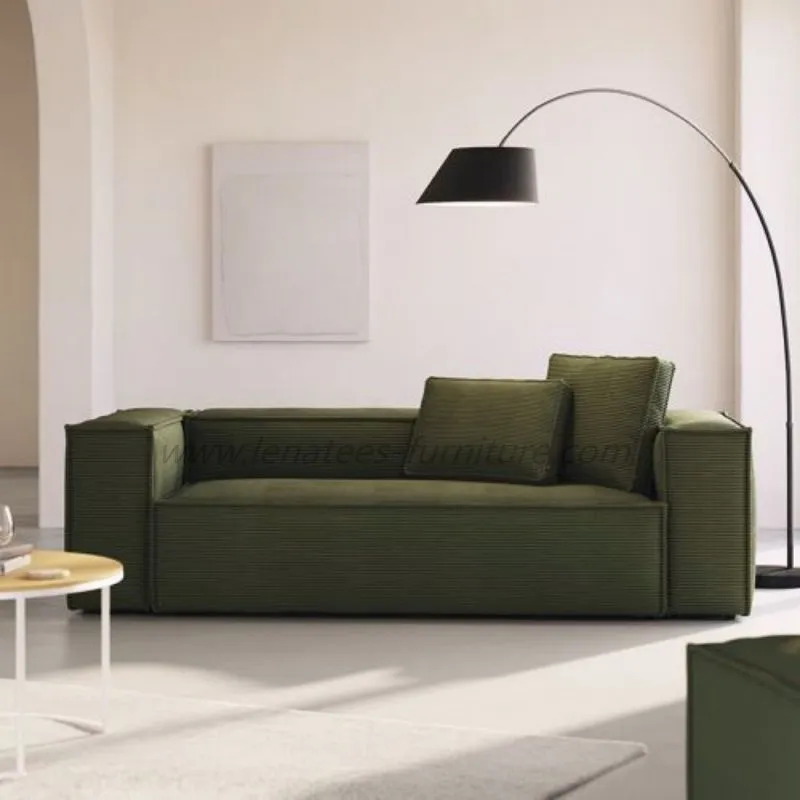
A showroom arrangement is designed around its own lighting, finishes and surrounding furniture. Compare covering and finish samples with the actual office materials and lighting before approving the colour scheme. A photograph is useful for discussing a style, but it cannot confirm a covering composition or final colour.
Ask for the upholstery composition, written cleaning instructions and details of any removable covers. If a supplier claims stain resistance or washability, request the evidence and care conditions for that exact covering.
For areas where drinks are common, agree a suitable sample check with the supplier and the people responsible for cleaning. Do not assume every spill can be wiped away or every light-coloured fabric can be machine washed.