





Design development · Sampling · Project production
Custom Chinoiserie Furniture for Project Orders
Develop Chinoiserie-inspired furniture from drawings, reference images and project specifications. Lenatees coordinates technical review, finish selection, sample approval, production checkpoints and export packing for hospitality, villa and commercial interiors.
Custom furniture scope
What Chinoiserie furniture can be developed?
The right scope depends on the reference design, structural requirements and decorative technique. Send an item list or BOQ so each piece can be assessed for construction, finish, sampling and packing.
Cabinets, consoles and sideboards
Storage pieces with buyer-defined proportions, door layouts, decorative panels, hardware and surface direction.
Nightstands, dressers and headboards
Coordinated bedroom pieces developed around a shared color, motif and finish schedule.
Dining tables, chairs and display pieces
Dining furniture adapted to project dimensions, upholstery, timber tones and decorative details.
Decorative screens and panels
Freestanding or project-integrated features reviewed for panel construction, stability and installation.
Side tables, benches and accent chairs
Smaller statement pieces that carry a controlled motif without overwhelming the wider interior.
Coordinated room collections
Multiple categories managed through one BOQ, finish schedule, sample record and packing plan.
Interactive design brief explorer
Turn a visual reference into specification questions
Select a furniture direction to see the design decisions a buyer and factory need to resolve before quotation and sampling.
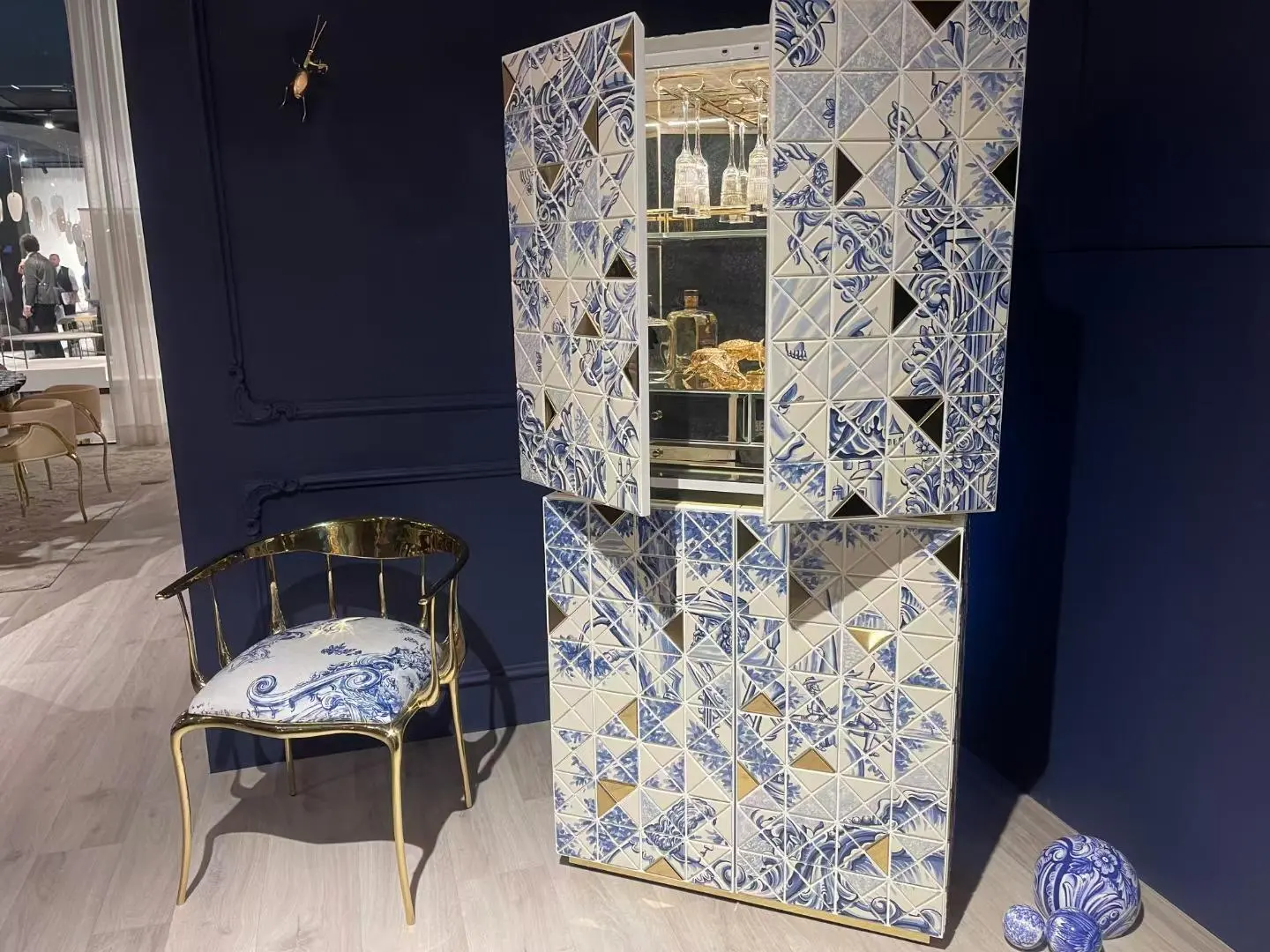
Decorative surface and statement hardware
Pattern, door breaks and hardware must be planned together so the decoration still reads correctly after assembly.
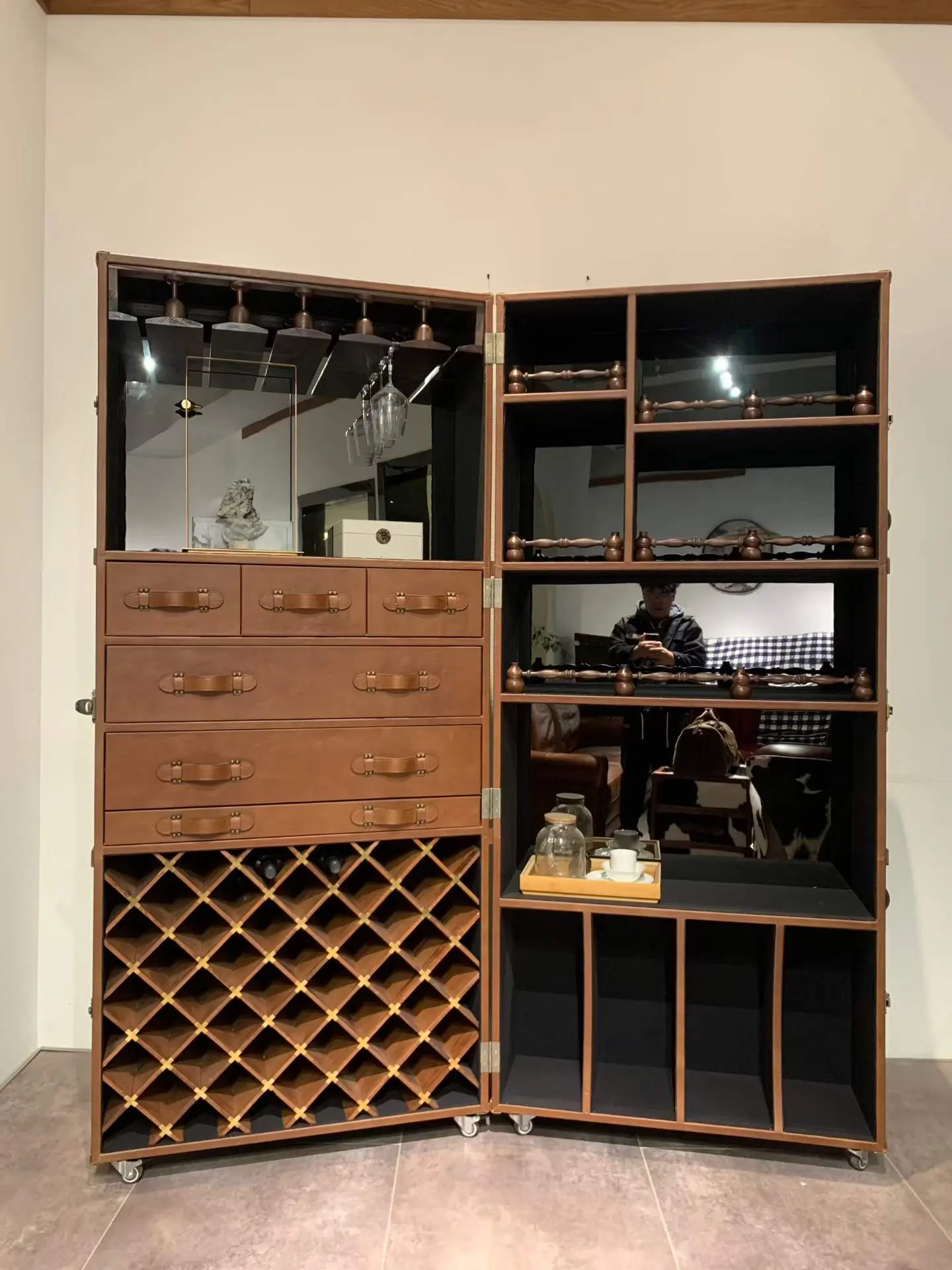
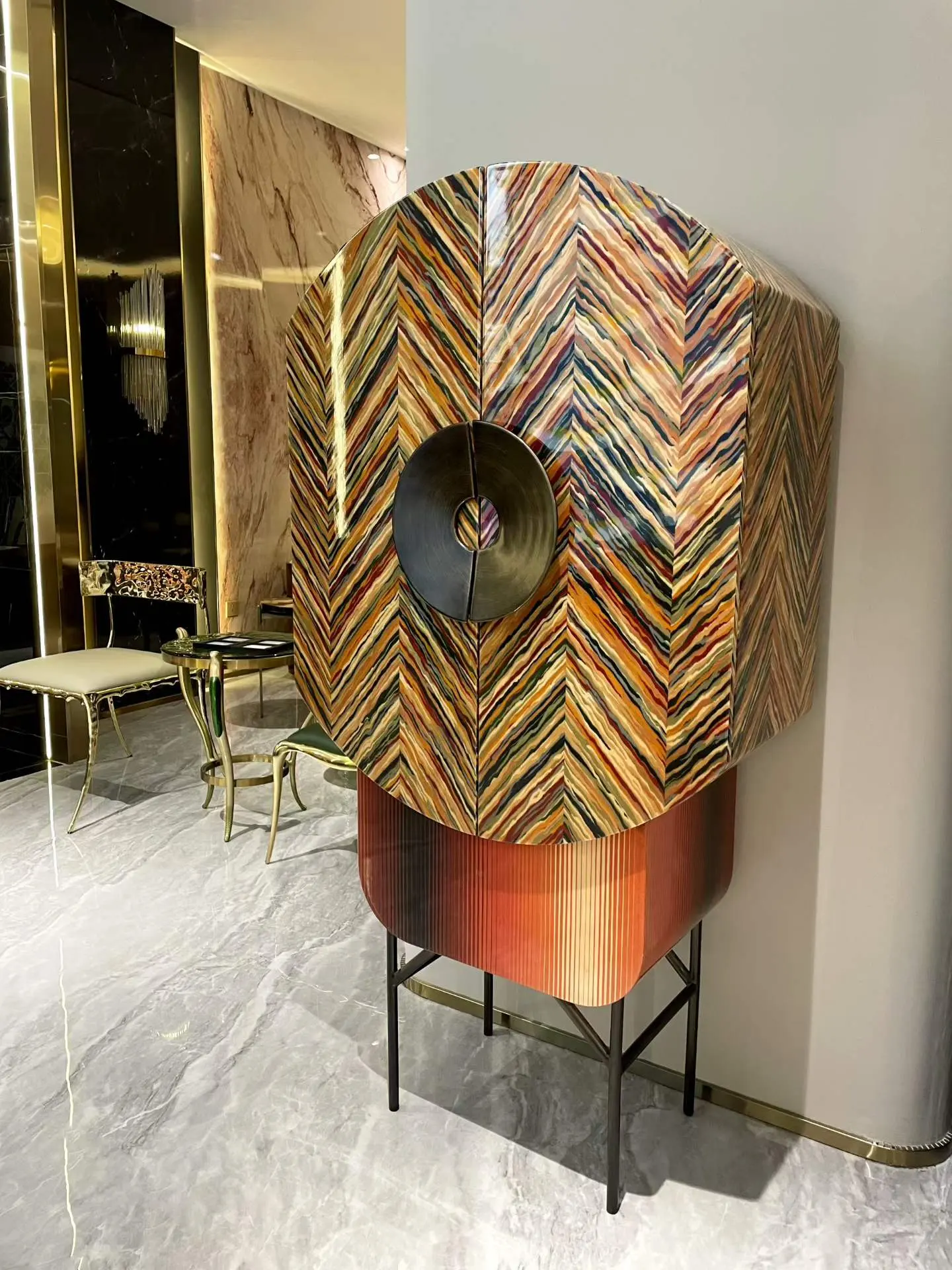
Exterior style connected to interior function
A decorative cabinet is also a working product; internal storage, lighting, hinges and loads affect its construction.
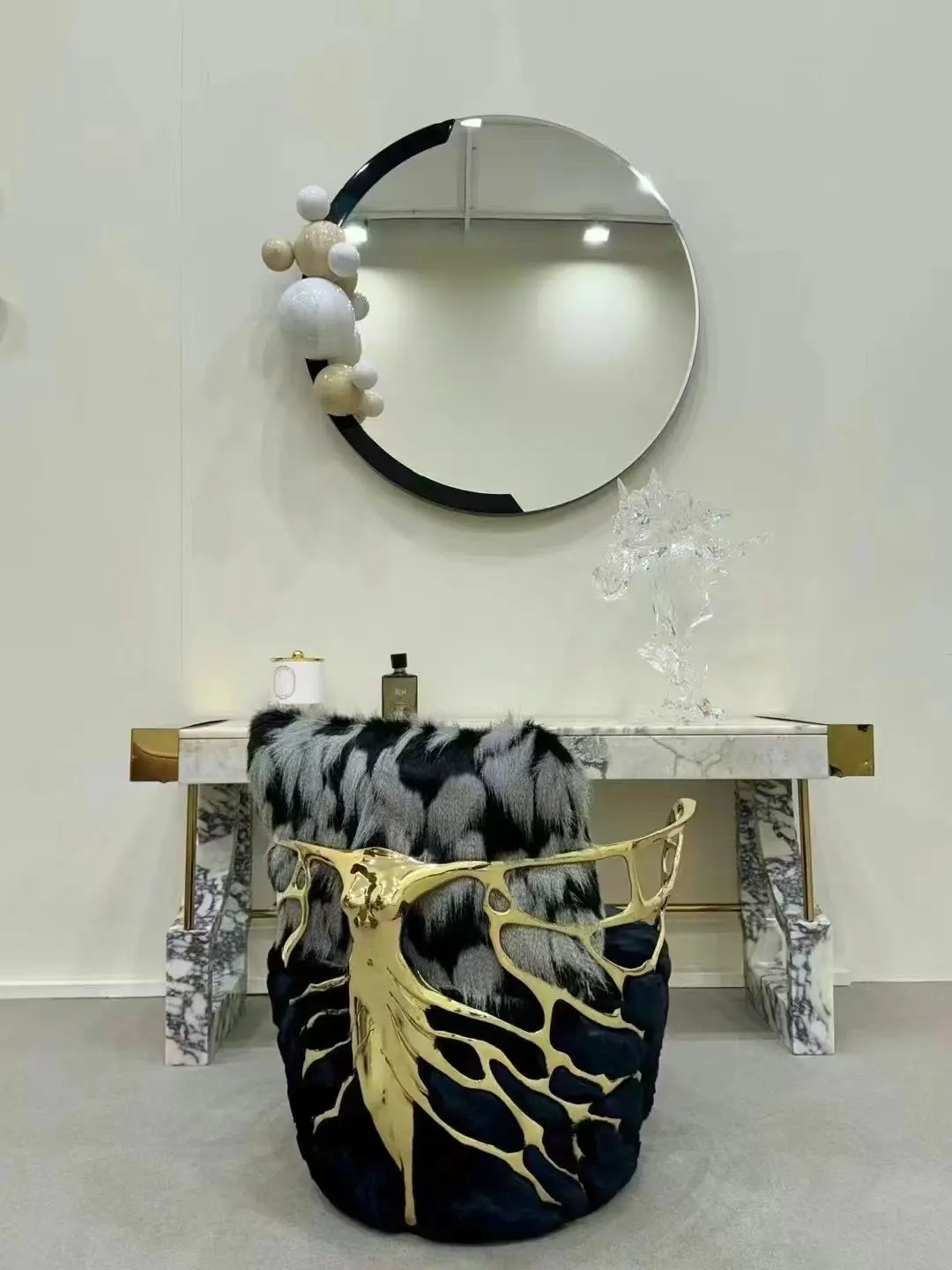
Furniture coordinated as a visual family
A room package feels intentional when a few controlled materials and details repeat across different furniture categories.
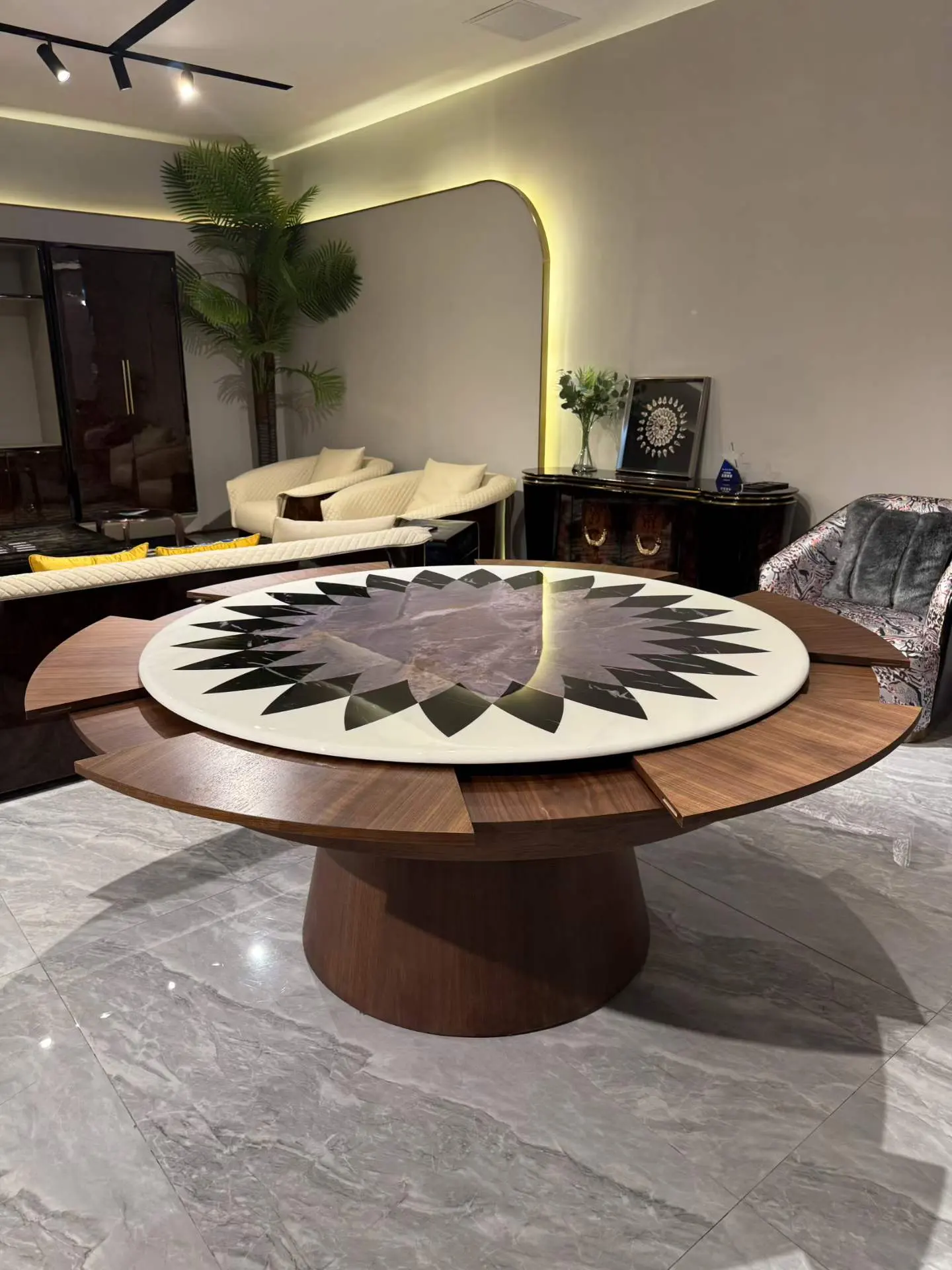
Motifs translated into material geometry
A decorative concept can be expressed through veneer and inlay geometry instead of literal scenic imagery.
Image-use note: These visual references were supplied for this landing page. Their product origin and delivery history are not asserted.
Definition backed by museum sources
What does Chinoiserie mean in furniture design?
Historically, Chinoiserie developed in Europe—and later in the United States—as a decorative style shaped by Western, often fanciful interpretations of China and by imported Asian objects. On furniture, documented motifs include imagined landscapes, pavilions and pagodas, birds, figures and dragons. Lacquer-like surfaces and gilded details also appear in historical examples. Chinoiserie is therefore a design category, not a synonym for furniture made in China or for traditional Chinese furniture.
For pronunciation, history and a fuller motif reference, read the complete guide to Chinoiserie history and motifs.
Reference images communicate atmosphere. Production still requires dimensions, substrate, decorative method, sheen, color standard, hardware, performance expectations and an approved sample.
Chinoiserie-inspired furniture
A project direction that interprets historically documented motifs or surface ideas on an agreed furniture form.
Traditional Chinese furniture
Historically distinct forms, materials and construction systems. Ming hardwood furniture, for example, is documented with sophisticated joinery and emphasis on natural wood grain.
Documented historical references
Painted or japanned cabinets, mirrors, beds and chests using imagined scenes, figures, birds, lacquer-like grounds and gilded details.
Contemporary project direction
Lenatees can evaluate simplified motifs, limited palettes and controlled decorative placement on modern furniture forms.
Specification before quotation
Six decisions that define the product
A Chinoiserie reference can be executed in very different ways. Defining these variables early makes quotations more comparable and reduces changes during sampling.
Furniture form and dimensions
Identify the item, scale, door or drawer layout, structural load and site constraints.
Motif source and placement
Supply approved artwork or references and mark which panels, borders or surfaces receive decoration.
Substrate and construction
Confirm timber, veneer, engineered panels, joinery expectations and repeated-use requirements.
Decorative technique
Hand work, printed applications, carving and layered finishes differ in repeatability and lead time.
Color, sheen and hardware
Use physical control samples or recognized color references and define metal and functional hardware.
Use environment and packing
State whether the product is for a hotel, restaurant, residence or retail setting and how it will ship.
Development and production
How a custom Chinoiserie furniture brief moves forward
The images below document Lenatees’ general custom-furniture workflow. They demonstrate drawing review, workshop coordination and export preparation; they are not Chinoiserie project photographs.
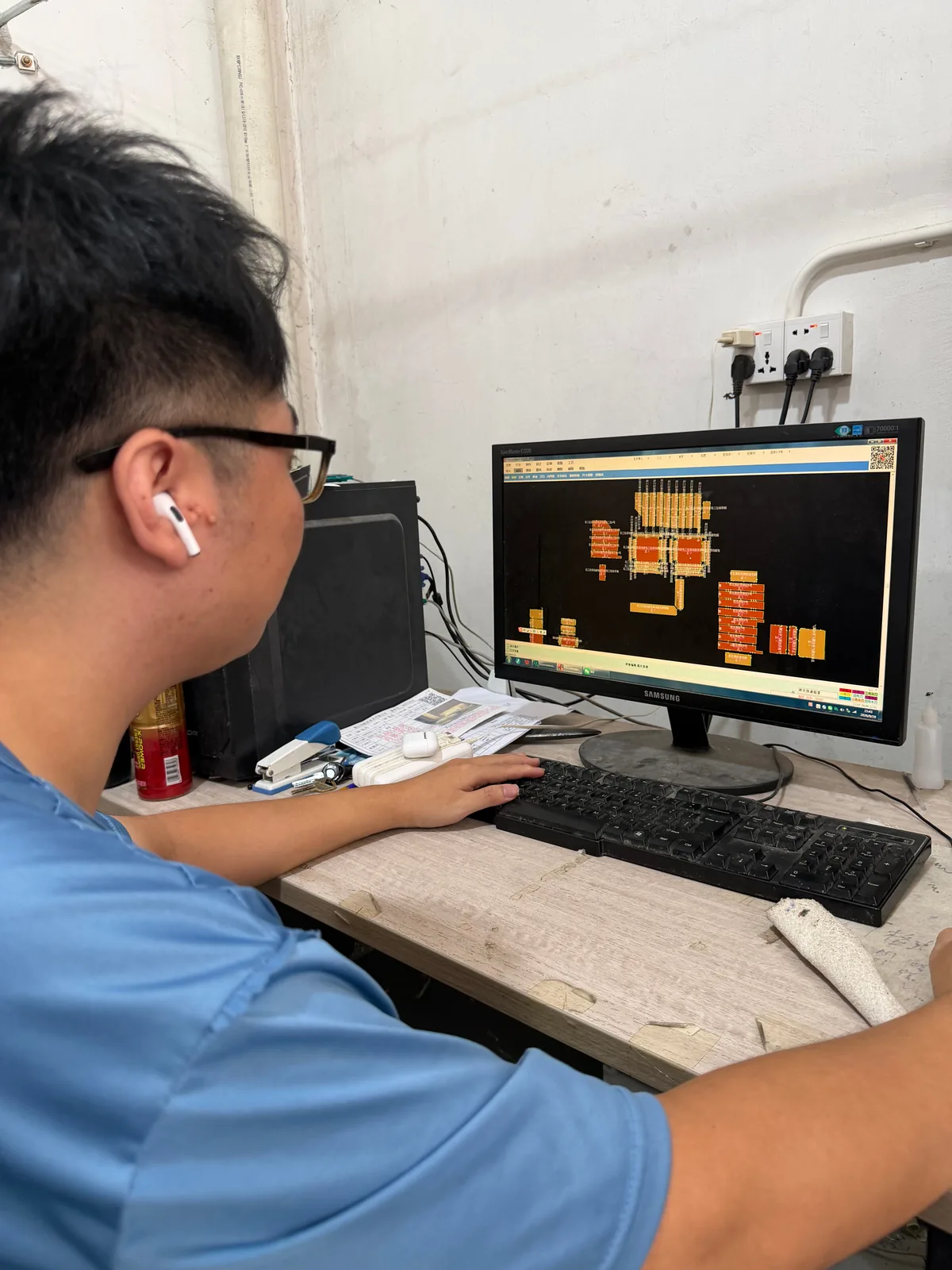
Review drawings and references
Check category fit, dimensions, quantity, visual direction, materials and unresolved questions.
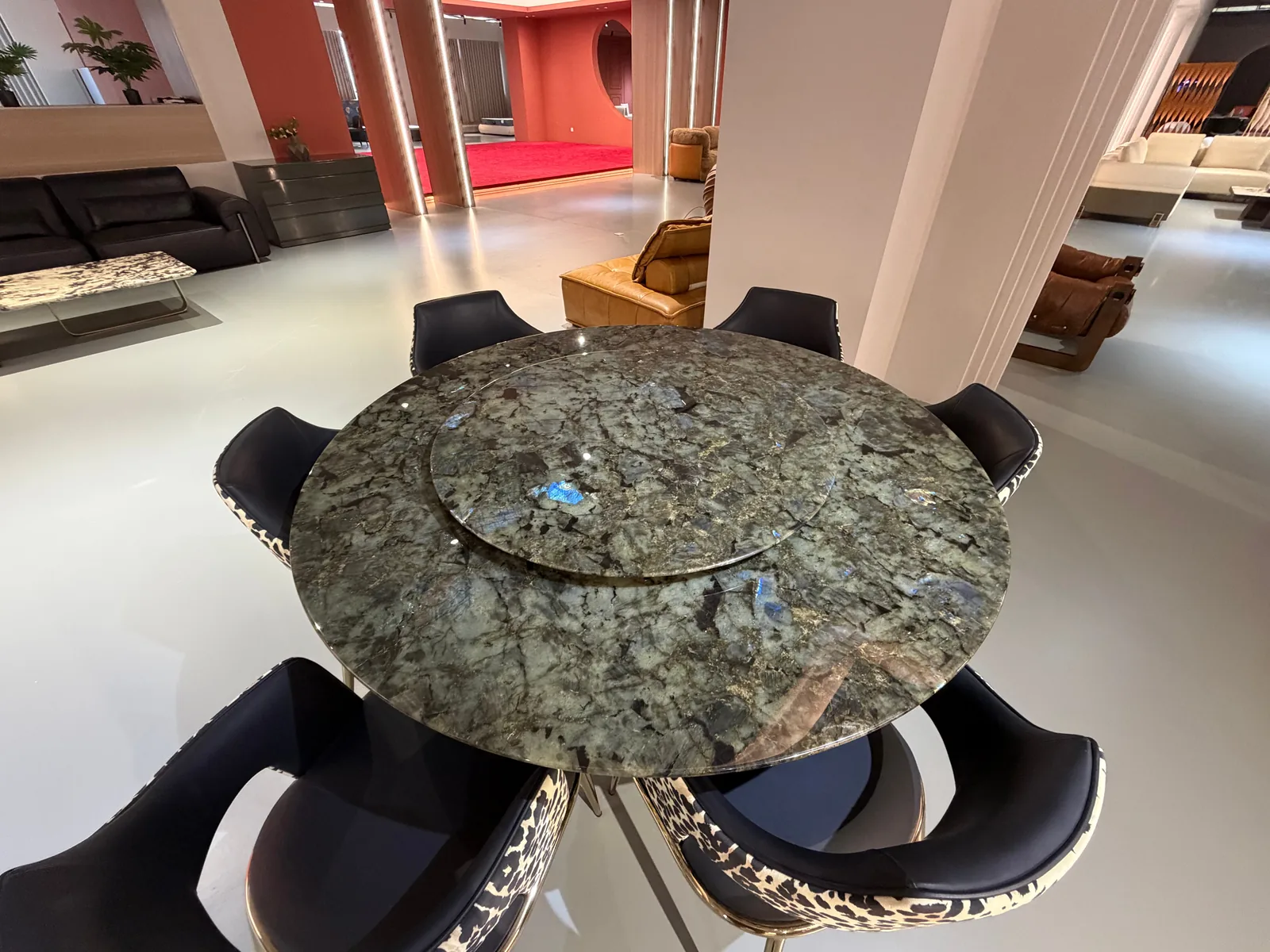
Define materials and finish controls
Prepare a finish schedule and identify the loose samples, boards or prototype needed for approval.
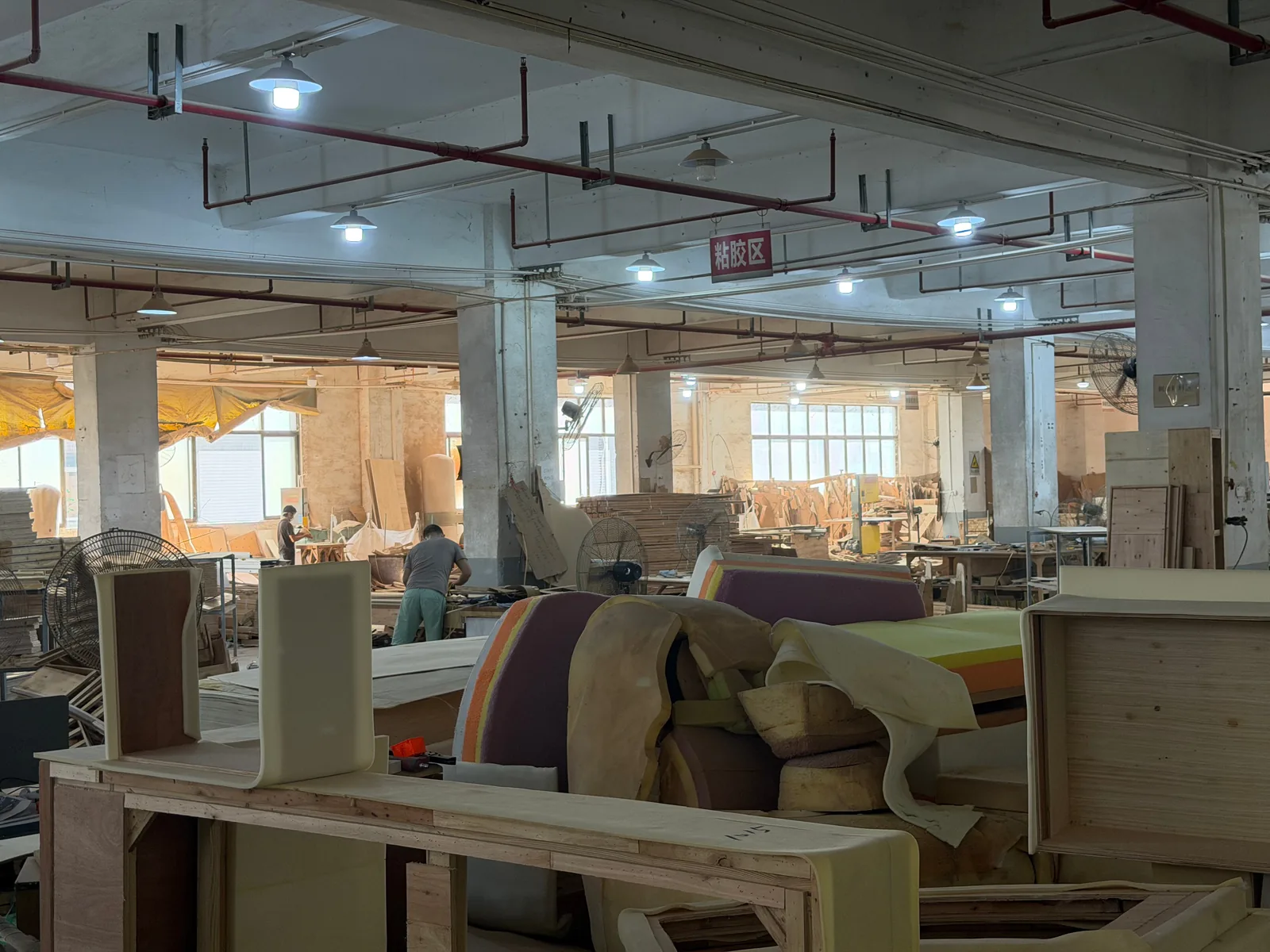
Develop and approve the sample
Review proportion, construction, motif position, color, sheen, hardware and workmanship.
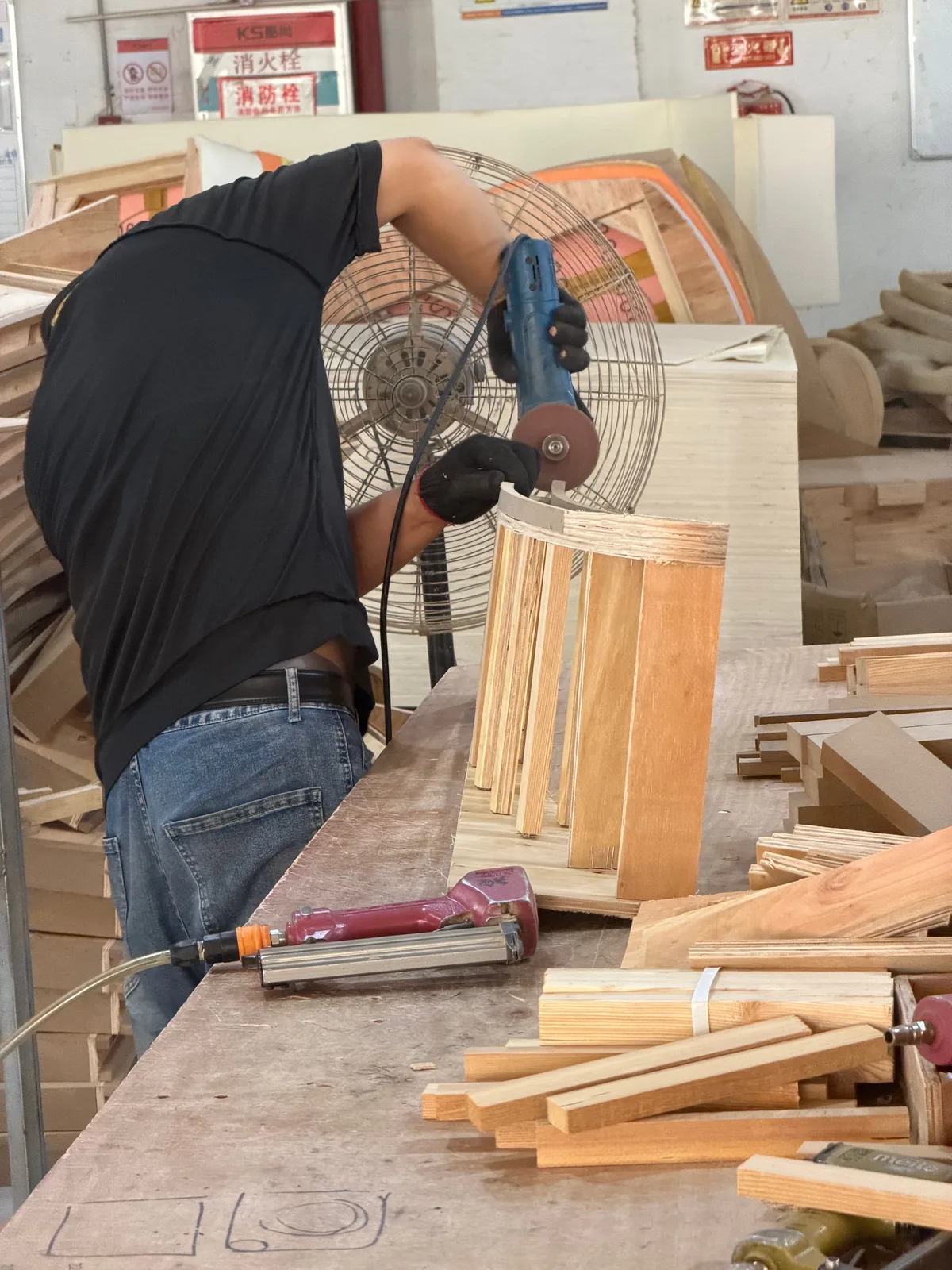
Confirm the production standard
Record the approved drawing, finish reference, hardware, comments and batch inspection points.
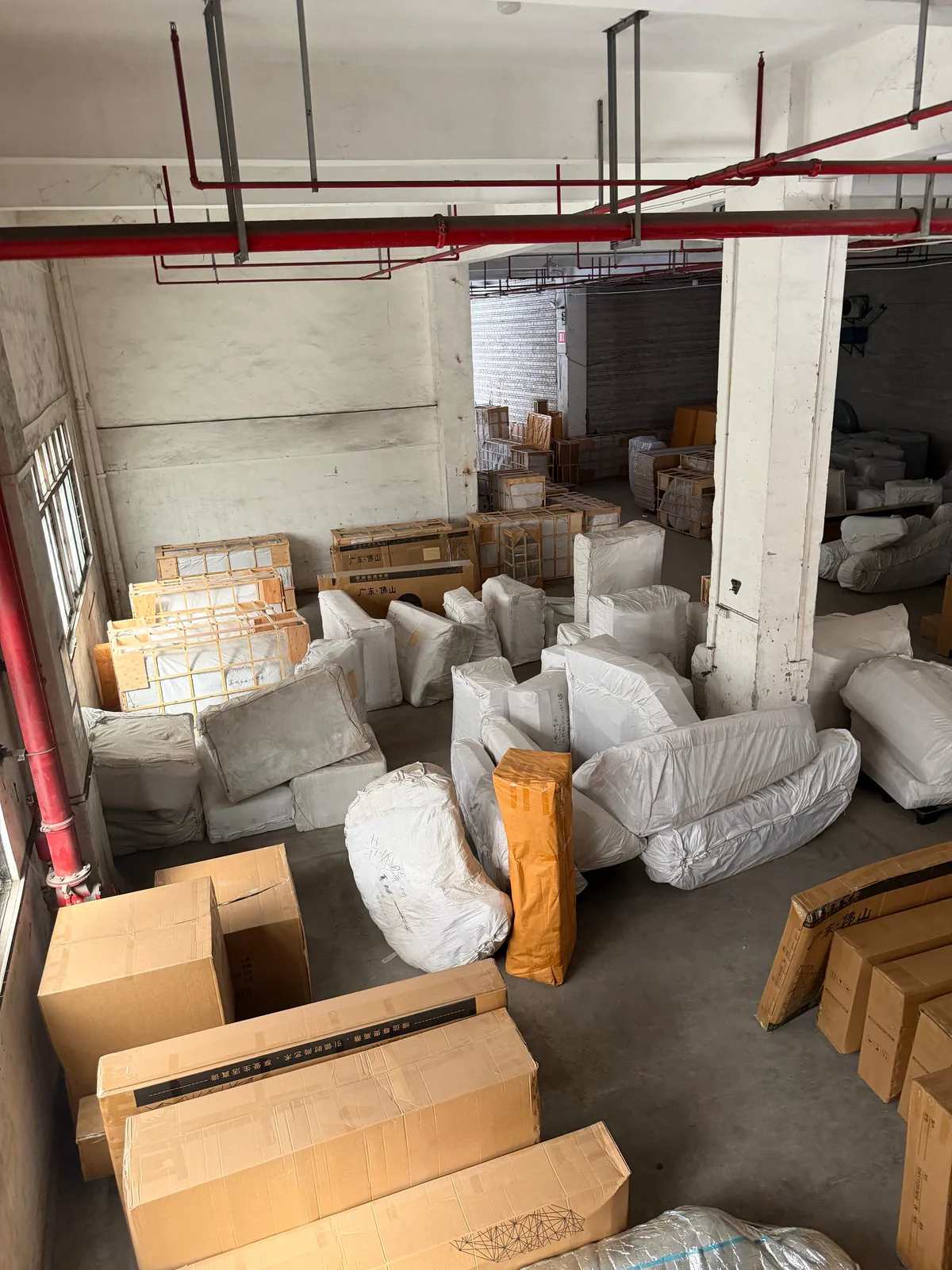
Inspect and protect surfaces
Check visible surfaces, operation, stability, accessories and protection before packing.
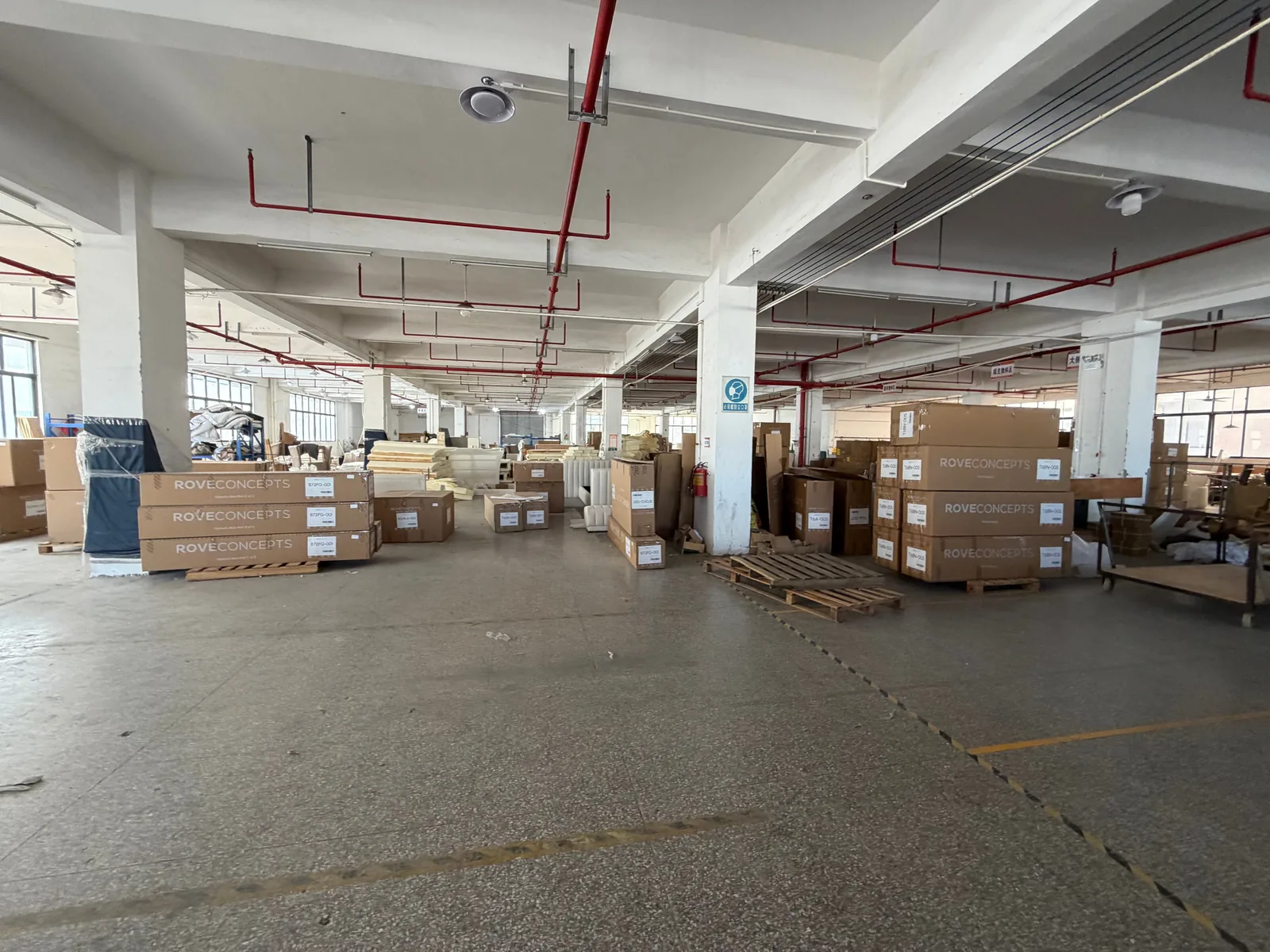
Label and prepare for export
Coordinate protection, project codes, room labels and the agreed inspection release.
Finish planning
How decorative methods affect the order
Compare repeatability, visual variation, repair expectations, sample requirements and intended quantity—not appearance alone.
| Direction to review | Best discussed for | Approval focus | Commercial impact |
|---|---|---|---|
| Hand-rendered decorative work | Statement pieces where controlled variation is acceptable | Artist sample, motif position, color range and acceptable variation | More sampling and production time; consistency criteria must be explicit |
| Printed or transferred decoration | Repeated units requiring closer graphic consistency | Artwork file, resolution, scale, color and edge treatment | Setup cost and quantity affect unit economics |
| Carved or routed relief | Texture-led panels, borders and architectural references | Depth, edge detail, sanding and finish build-up | Tooling and machining time depend on complexity |
| Layered color and clear finish | Projects prioritizing palette, depth and surface sheen | Control board, sheen level, durability and touch-up method | More finish stages generally extend lead time |
Project applications
Where can custom Chinoiserie furniture be used?
The style can work as a complete direction or one controlled accent. Specifications should reflect traffic, cleaning, replacement planning and installation conditions.
Interactive project brief
Check what you already have before requesting a quotation
A clear RFQ lets the team identify technical risks before pricing. Mark the information already prepared; the checklist updates as you go and can be copied into your project email.
Frequently asked questions
Questions about custom Chinoiserie furniture
Is Chinoiserie the same as traditional Chinese furniture?
No. Chinoiserie is a Western decorative style shaped by interpretations of China and imported Asian objects. Traditional Chinese furniture has distinct historical forms, materials and construction systems.
Can Lenatees copy a Chinoiserie furniture reference image?
Reference images can support style and feasibility discussion, but production requires clear dimensions, materials, construction and rights to use protected artwork or designs. The team identifies what must be redrawn, adapted or approved.
Can I customize the motif, color and dimensions?
These elements can be included in the development brief. Final feasibility depends on the furniture category, substrate, decorative technique, quantity and required performance.
Do you provide a sample before mass production?
The recommended route is to confirm materials and finish controls first, followed by a full sample or priority prototype when the design risk justifies it.
What is the MOQ for custom Chinoiserie furniture?
MOQ is confirmed after reviewing the item, decorative process, materials and order mix. Send quantities per design so production setup can be evaluated accurately.
How long does a custom order take?
Timing depends on technical review, artwork preparation, material sourcing, sample revisions, decorative complexity and order quantity. A schedule is proposed after the specification is sufficiently complete.
Discuss the design before pricing
Have a reference, drawing or room schedule?
Send the product scope, quantities, dimensions, finish direction, destination and target delivery date. Lenatees will identify the information required for sampling and quotation.
Email
suiying@lenatees.com
WhatsApp
+86 138 2349 4762
Factory location
Longjiang Town, Foshan, Guangdong, China