




SOFA MATERIALS / BUYER GUIDE
Sofa Foam Density: How to Compare Cushion Specifications
Compare the material, approve the complete seat and put the agreed construction into your order.
Choose sofa foam density together with firmness, cushion thickness and the finished seat construction. A density number helps you compare materials, but it cannot tell you whether a sofa will feel comfortable or last a particular number of years. For a custom sofa order, the useful outcome is a written cushion specification, an approved sample and an agreed inspection method. This guide explains what to request before comparing quotations or approving production.
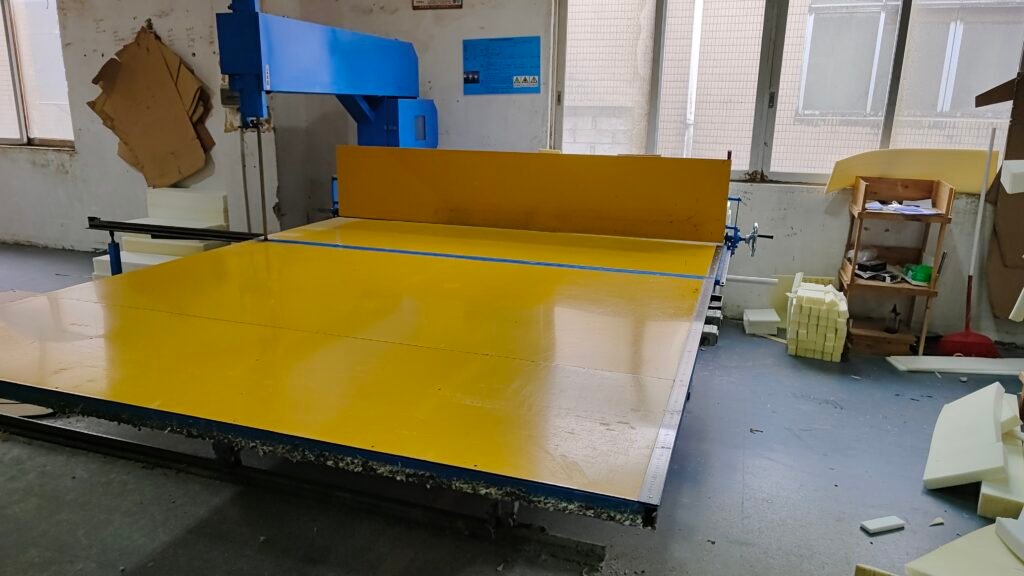
What does sofa foam density measure?
Density measures mass per unit volume, usually in pounds per cubic foot (lb/ft³ or pcf) or kilograms per cubic meter (kg/m³). The Polyurethane Foam Association (PFA) distinguishes overall foam density from polymer density, which excludes fillers. Higher polymer density generally helps foam retain its properties, but added weight does not automatically mean better performance. Ask which density the supplier is reporting and whether the formulation contains fillers. See PFA’s guide to foam density.
Words such as “premium,” “high density” or “40 density” leave important questions unanswered. Request the number, unit, foam type and supplier grade reference. A grade name alone is not enough to compare two quotations.
Density, firmness and support answer different questions
| المنشأة | What it describes | What to request |
|---|---|---|
| Density | Material mass relative to its volume | Value, units and polymer or overall basis |
| Firmness | Resistance at a stated indentation | IFD value, force units and test conditions |
| Support factor | How resistance changes with deeper compression | 65% IFD divided by 25% IFD, where relevant |
Foam can have high density and a soft surface feel. PFA describes surface firmness using indentation force deflection (IFD), commonly measured at 25% compression. Support factor compares the 65% and 25% readings. This helps explain why two cushions can feel similar at first contact yet respond differently as someone settles into the seat. PFA’s foam performance overview explains these separate properties.
Suppliers may use the older term ILD. Confirm what the reported value means. PFA’s firmness bulletin explains that sample size and thickness affect results. Compare readings obtained with the same method, sample dimensions and indentation percentage; “medium firm” is a preference label, not a shared measurement.
Compare pounds per cubic foot with kg/m³ correctly
For density, multiply lb/ft³ by approximately 16.02 to obtain kg/m³. Divide kg/m³ by 16.02 for the reverse conversion. The factor comes from NIST’s unit conversion tables.
| lb/ft³ | Approximate kg/m³ |
|---|---|
| 1.8 | 28.8 |
| 2.0 | 32.0 |
| 2.5 | 40.0 |
For example, 40 kg/m³ is about 2.50 lb/ft³. It does not mean 40 pounds per cubic foot, and it does not describe firmness. If a quotation says only “D40,” ask the supplier to define that code rather than assuming it follows a universal naming system.
Specify seat and back cushions separately
A load-bearing seat and a back cushion do different jobs. Record each component separately instead of requesting one foam specification for the whole sofa. A seat may need a defined core, comfort layer and wrap; a back may use foam, fiber or a different construction. The right combination depends on the design and intended sitting experience.
Describe the use before asking for recommendations: a guest-room sofa used briefly, a family sofa used daily, or shared lounge seating with frequent turnover. Include the intended users, upright or relaxed posture, cushion dimensions and desired feel. Ask suppliers to propose suitable constructions and explain the tradeoffs. Avoid converting a use description directly into an unsupported universal density minimum.
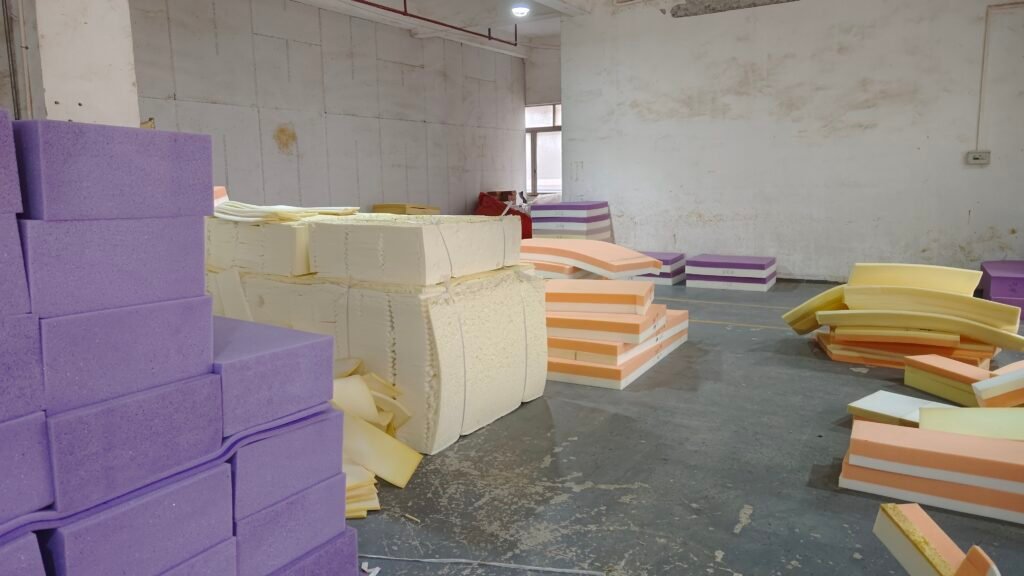
A quotation comparison needs more than two density numbers
Illustrative comparison—not Lenatees product specifications: Supplier A proposes 32 kg/m³ foam and Supplier B proposes 40 kg/m³ foam. Both report a 25% IFD of 30 lbf using the same test method and sample dimensions. The second foam is denser, but the quoted surface firmness is the same. The numbers still do not establish which finished sofa will suit the buyer.
Before accepting a price difference, request the density basis, complete layer build, finished core thickness and relevant performance reports. Keep upholstery, cushion shape and the support deck consistent when comparing samples. If those change too, the trial is comparing whole constructions rather than isolating the foam choice. That can be useful, provided the differences are documented.
For the covering decision, use the leather vs. fabric sofa guide to compare care requirements and sample checks before approving the complete seat.
Approve the complete seat before the bulk order
A small foam block is useful for discussing feel, but approve the assembled cushion on the intended sofa frame. Cover tension, wrapping, suspension, seat geometry and foam interact. PFA’s review of the joint industry guidelines emphasizes evaluating the entire seating system.
Use a repeatable sample review. Identify the prototype, sit in the intended positions, check edge support and note whether the cushion feels too yielding or restrictive. Evaluate getting up as well as sitting down. Record the agreed construction, dimensions and feedback, then retain an identified reference sample. Photographs help document shape and labeling, but they cannot prove firmness or density.
In compact rooms, the chosen cushion also needs to work with seat depth and available circulation. Coordinate these decisions with the small-villa sofa layout and quotation guide.
Copy this blank cushion specification into your RFQ
Download the blank cushion specification (CSV, English)
Complete one record per seat or back component. Leave unresolved values open for the supplier’s proposal, then replace them with agreed values before placing the order.
| حقل المواصفات | Project value |
|---|---|
| Project, sofa model and component | ________ |
| Intended use and preferred sitting feel | ________ |
| Foam type, grade reference and layer arrangement | ________ |
| Density, unit, basis and agreed tolerance | ________ |
| IFD, force unit, method and sample dimensions | ________ |
| Core dimensions, wrap and finished cushion build | ________ |
| Performance report reference and acceptance criteria | ________ |
| Approved sample ID and substitution approval process | ________ |
Turn the approved sample into an inspection plan
Agree who checks the materials, when checks occur and how results are recorded. Match incoming grade and batch references to the approved specification. Check component dimensions and construction, and refer disagreements about material properties to the agreed test procedure.
PFA identifies ASTM D3574 as a key standard for testing flexible foam properties. A test-method reference alone does not establish that a shipment passed your requirements. Request the report, tested grade, method details and agreed limits. For durability comparisons, ask what fatigue procedure was used and what changed after testing; do not translate a cycle count directly into guaranteed service years.
If the supplier proposes a substitution, review its evidence and approve an updated sample before accepting the change. Keep that decision with the order record.