




SOFA MATERIALS / BUYER GUIDE
Leather vs Fabric Sofa: Comfort, Care and Buying Checks
Start with fabric when a woven texture or repeating textile pattern is central to the design, or when you are considering a cover expressly approved for removal and washing. Start with leather when its grain and natural variation are part of the look you want. Then compare the specific options: a leather’s finish changes its appearance and surface protection, while the fabric and completed cover construction govern approved care. Try both on comparable seats before carrying your preference into a custom order.
Start with those everyday differences. If you are ordering a custom sofa or selecting upholstery for several rooms, carry the same decision into the material code and physical sample you approve.
Leather or fabric: where should you start?
| Your priority | Start with leather when… | Start with fabric when… |
|---|---|---|
| The look | You want the grain and natural variation of a particular leather, or the more even appearance of a finished option. | A woven texture or repeating textile pattern is central to your design. |
| The care routine | The selected finish’s documented cleaning routine fits how the sofa will be maintained. | You need laundering and the specific textile and completed cover have written removal and washing approval. |
| The tradeoff | You accept the agreed marking and color range, and the finish’s care requirements. | You accept the texture, pattern layout and care requirements of the approved textile. |
Which feels more comfortable?
Try the actual surfaces rather than choosing from photographs. Sit long enough to notice how the covering feels against bare arms, whether you slide when changing position and whether the texture suits you. Check the sofa in the conditions in which you expect to use it. Preferences about temperature and surface feel are reasons to test a sample, rather than declare one material the winner.
Keep the cushion, seat depth and support construction comparable. Otherwise, a preference for the softer sofa may have little to do with its covering. Our sofa foam density guide explains why density, firmness and the complete seat need separate checks.
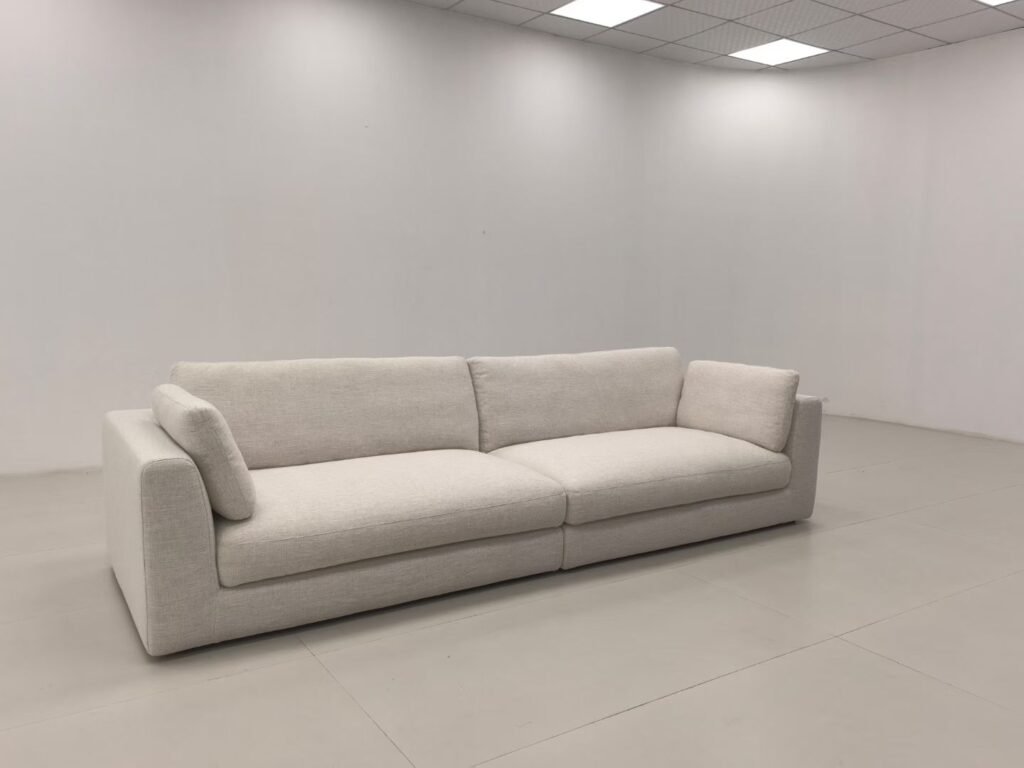
Which is easier to clean with children or pets?
Compare the messes you actually face: drink spills, food, muddy paws or hair. Ask how each proposed material should be cleaned, what products are excluded and whether that routine is realistic for your household or housekeeping team. An abrasion score does not answer these questions.
A fabric cover with written removal and washing approval has a practical advantage when laundering is a firm requirement. That advantage belongs to the approved cover construction. Kvadrat’s linked maintenance guide warns that some zippered covers are not designed to be removed and gives different care instructions for different textiles. For a proposed leather option maintained in place, compare its approved cleaning routine with the same household or housekeeping requirement. Choose the option whose documented routine you can actually carry out.
For pets, assess the specific concern, such as scratching or staining. No material category guarantees resistance to both.
How will the appearance change your decision?
Compare a larger sample in your room’s lighting. Look at texture, sheen, color and the proposed seam layout together. For patterned fabric, ask where the pattern will meet at cushions and seams. For leather, agree which natural markings and color variations you accept.
Full-aniline and semi-aniline leather can lead to different buying decisions. In Spinneybeck’s collection, full-aniline leather reveals more natural character and has less protection against spills, while semi-aniline leather adds a finish for surface protection and more even color. A buyer who values natural variation may accept it; a buyer seeking a more consistent appearance may prefer the finished option. Confirm the same details for the leather in your quotation.
Does leather last longer than fabric?
There is no reliable category-wide answer. Compare evidence for the proposed materials and examine the completed upholstery. A smooth showroom surface cannot prove how either option will behave in your room.
For indoor woven upholstery, ACT’s abrasion guidelines explain that Wyzenbeek and Martindale results cannot be converted into one another, and abrasion results alone cannot predict service life. Ask which method produced a number before comparing it. Keep those textile guidelines within their scope; they are not a leather rating or a finished-sofa warranty.
Other properties matter too. ACT treats pilling, breaking strength and seam slippage separately. A high abrasion result cannot stand in for all three. Review the relevant reports, then inspect the sample’s seams and cushion edges rather than reducing durability to one score.
Which offers better value?
Compare actual quotations for the same sofa size, frame, cushions and upholstery coverage. Request a separate price for each identified leather or fabric option. A lower total is difficult to interpret if it also changes the cushion, covers fewer surfaces or substitutes another material.
Ask what replacement pieces or covers can be supplied and what they would cost. Include the care you can realistically provide in the decision. Without comparable prices and maintenance assumptions, a claimed cost-per-year advantage for either material is guesswork.
Move from a material preference to a specific option
Once leather or fabric looks promising, identify what you are actually buying. Keep the record short:
- Material identity: supplier, article or SKU, color code and any proposed substitute.
- Construction: leather finish, or fabric composition, construction, backing and any claimed treatment.
- Coverage: which material goes on seats, arms, backs and other panels, especially on a mixed-upholstery sofa.
- Approval reference: the identified swatch, relevant reports, written care and assembled sample.
Keep genuine leather separate from PU, PVC and other synthetic leather-look coverings. If an option changes material category, compare it explicitly rather than accepting “same look” as an equivalent substitution.
Use samples to settle the tradeoff
Illustrative quotation comparison: two options show the same color, but one lists leather only on contact surfaces and the other includes the outer back. Record the coverage first; those totals do not yet compare the same specification.
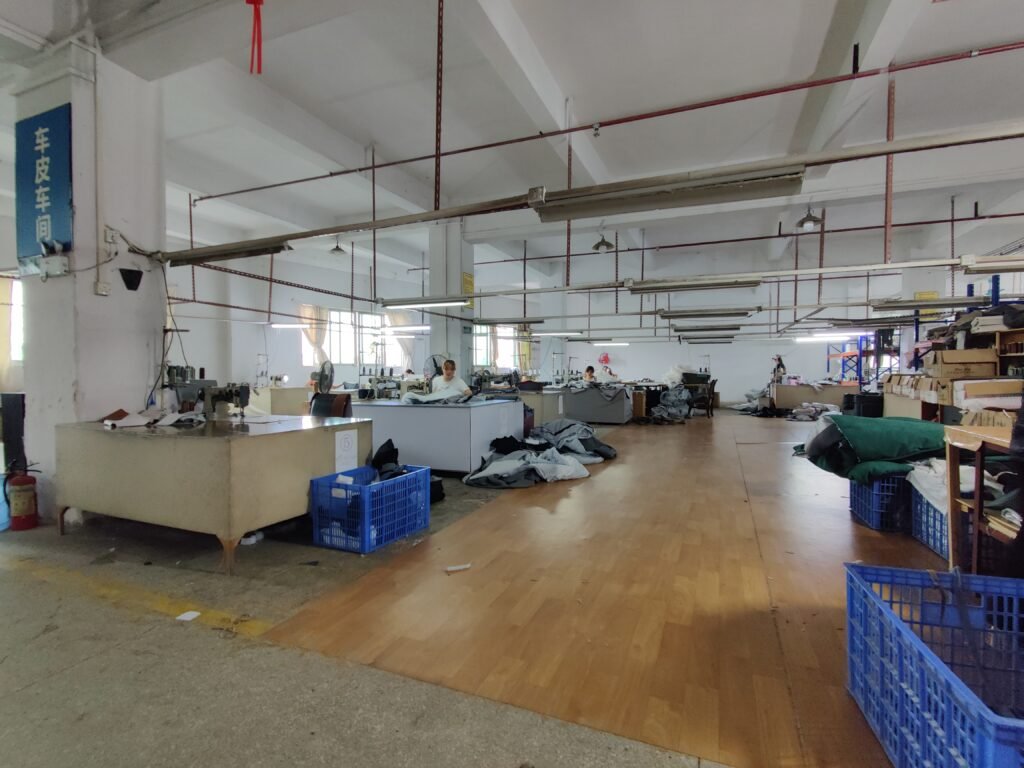
Review both shortlisted materials on comparable upholstered samples. Check seam positions, cushion edges, surface feel and the acceptable color range. Record which tradeoff you accepted and retain the material references. If a supplier later changes the finish, backing or covering, review the affected sample and care instructions again.
Choose the next step for your sofa
If you are still deciding, shortlist two identified materials and ask for their care information and samples. If you are ready for a custom order, bring that preference and your sofa design to Lenatees’ custom sofa manufacturing enquiry. Confirm suitable material options, sampling arrangements and quotation scope for the actual project.