





مشروع شراء الأثاث / 2026
دليل مستند إلى البيانات لاختيار المقاعد المعيارية، والمفروشات سهلة العناية، وقطع الأثاث المتناسقة، والأثاث الخارجي للمشاريع التجارية.
لا يقتصر اهتمام مشتري الأثاث على ما يبدو عصريًّا فحسب. أما بالنسبة للفنادق والفيلات والشقق والمشاريع متعددة الاستخدامات، فإن الأسئلة الأكثر أهمية هي تلك ذات الطابع العملي:
- هل يمكن تغيير التصميم عند تغيير الغرض من استخدام الغرفة؟
- هل ستصمد مواد التنجيد أمام الاستخدام والتنظيف المتكررين؟
- هل يمكن تنسيق الأبعاد والتشطيبات والتجهيزات في جميع أجزاء المشروع؟
- ما مدى سهولة صيانة الأثاث أو إصلاحه أو استبداله؟
- هل يمكن للمورد التحكم في الجدول الزمني وكذلك في الشكل الخارجي؟
تشير الأبحاث الاستهلاكية الحديثة والتقارير الصادرة عن الأسواق التجارية إلى أربع فئات من الأثاث تحظى باهتمام خاص، وهي: المقاعد المنجدة المعيارية، والأثاث المتين وسهل العناية، ووحدات التخزين المتناسقة، وأثاث الاسترخاء أو تناول الطعام في الهواء الطلق. وتوضح هذه الأدلة أيضًا الأسباب التي تدعو مشتري المشاريع إلى تقييم الأداء على مدار دورة الحياة، وليس سعر الوحدة فحسب.
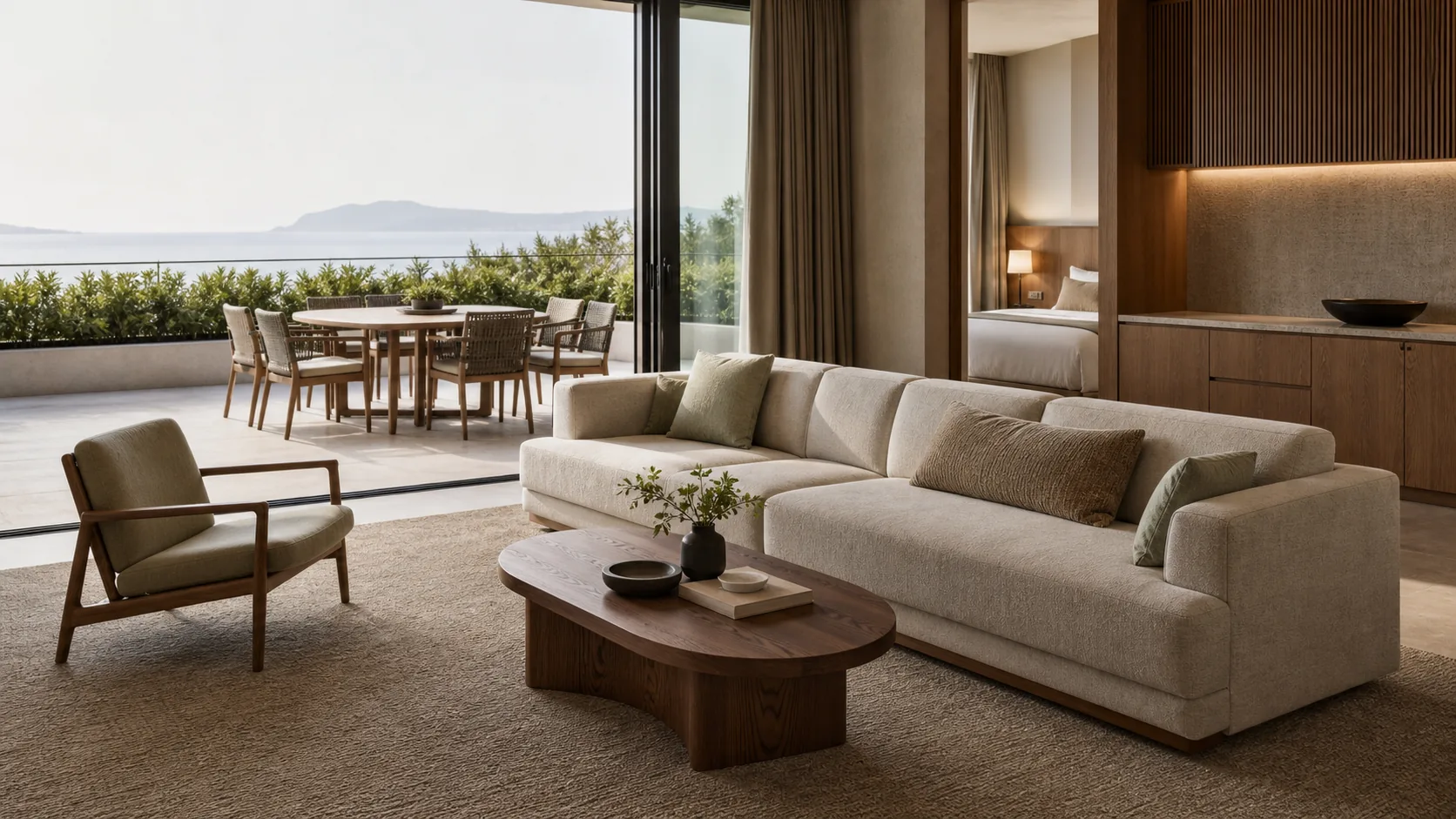
1. الأرائك المكونة من وحدات والمقاعد المرنة
تزداد أهمية الأرائك المعيارية لأن مجموعة منتجات واحدة يمكنها أن تتناسب مع عدة تصميمات. فمن الممكن تهيئة أريكة قابلة للتفكيك لردهة فندق، أو غرفة معيشة في شقة، أو صالة في فيلا، أو منطقة مشتركة في سكن مخدوم، دون الحاجة إلى تطوير نموذج مختلف تمامًا لكل مساحة على حدة.
هذا الاهتمام قابل للقياس. فقد كشفت دراسة استقصائية أجرتها مجلتا «Furniture Today» و«Strategic Insights» عام 2025 أن 40% من المشترين المحتملين للأثاث المنجد اعتبروا التخصيص أمراً بالغ الأهمية أو مهمًا جدًّا. ومن بين الأشخاص الذين يفكرون في شراء أريكة قابلة للتفكيك، قال 75% منهم إنهم سينظرون في طلب تخصيص حسب الطلب. نشرت مجلة «Furniture Today» نتائج الاستطلاع هنا.
وتؤكد الملاحظات المستقاة من أسواق التجارة هذا الاتجاه. ففي معرض «هاي بوينت ماركت» الذي أُقيم في ربيع عام 2025، أفاد موقع «هوز» باستمرار الطلب على القطع المخصصة ومجموعة واسعة من الأثاث متعدد الأغراض والمرن، بما في ذلك الأرائك المعيارية التي يمكن تجميعها في تشكيلات مختلفة. اطلع على تقرير Houzz حول اتجاهات الأثاث لعام 2025.
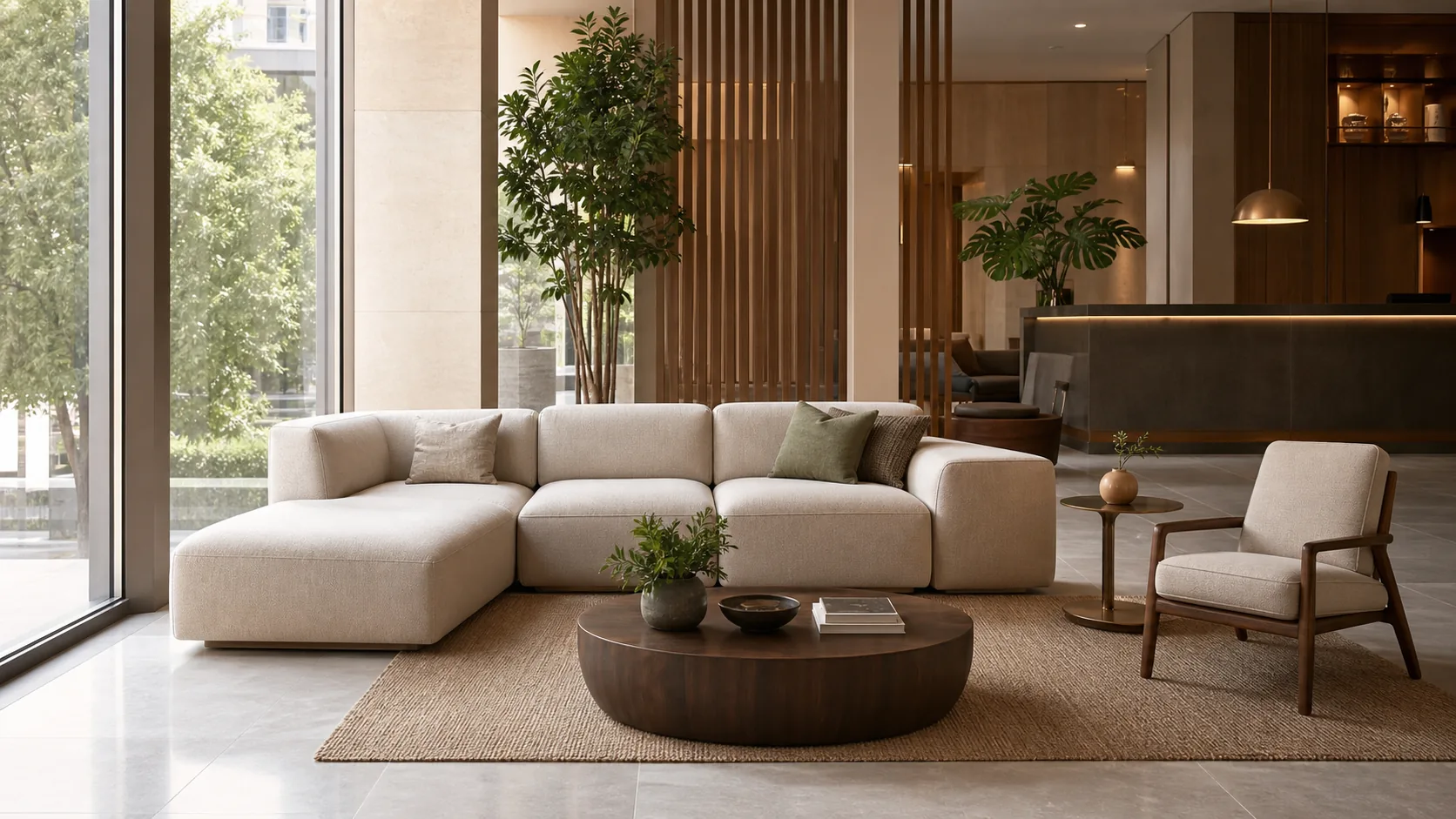
أما بالنسبة لمشتري المشروع، فينبغي أن يعني مصطلح “الوحدات” أكثر من مجرد أقسام قابلة للنقل. وينبغي أن تؤكد المواصفات المفيدة ما يلي:
- أبعاد الوحدة النمطية ورسم التخطيط الكامل؛;
- نوع الموصل ومقاومة انفصال الوحدات عن بعضها؛;
- ارتفاع المقعد وعمقه ودرجة صلابة الوسادة؛;
- الهيكل، ونظام التعليق، وكثافة الرغوة، وتصميم التنجيد؛;
- أداء القماش وطريقة تنظيفه؛;
- توافر قطع الغيار للأغطية والوسائد ووحدات التوصيل؛;
- تصنيف المنتجات وتعبئتها حسب الغرفة أو الطابق أو المنطقة.
تصفح Lenatees أثاث غرفة المعيشة وخيارات الأرائك المعيارية عند إعداد جدول توزيع المقاعد.
2. أثاث سهل العناية لغرفة الجلوس وغرفة الطعام وغرفة الضيوف
لا تزال الراحة عاملاً مهمًا، لكن الاتجاه السائد مؤخرًا ينحو نحو الراحة التي تترافق مع سهولة الاستخدام. وقد وصفت تقييمات موقع «هوز» لمعرض «هاي بوينت ماركت» المقاعد الفسيحة التي توفر الدعم وتتميز بانحناءات أكثر نعومة، مشيرةً في الوقت نفسه إلى إقبال كبير على مواد التنجيد الجذابة وسهلة العناية والمواد عالية الأداء.
ويزداد هذا الأمر أهميةً في البيئات التجارية. ففي حين أن الأريكة المنزلية قد تستخدمها نفس العائلة، فإن أثاث قطاع الضيافة يتعرض لمستخدمين مختلفين، والتلامس مع الأمتعة، وانسكاب الأطعمة والمشروبات، وعمليات التنظيف المتكررة، والحركة المستمرة. ولا يمكن للاعتماد على المظهر الخارجي وحده أن يؤكد ما إذا كان التصميم الهيكلي مناسبًا لهذا الحمل من العمل.
ينبغي على فرق المشروع طرح الأسئلة التالية قبل الموافقة على كرسي الاسترخاء أو كرسي الطعام أو الأريكة أو المقعد الطويل:
- ما هو مستوى الاستخدام المقصود؟ حدد ما إذا كان العنصر مخصصًا لغرفة الضيوف، أم للردهة، أم للمطعم، أم لمنطقة الانتظار في الممر، أم لفيلا خاصة.
- كيف يتم تنظيفه؟ اطلب تعليمات التنظيف من مورد الأقمشة وتحقق مما إذا كانت المعالجة النهائية المختارة تتحمل المواد الكيميائية المخطط استخدامها في أعمال التنظيف المنزلي.
- ما الذي يمكن استبداله؟ قد تساهم وسائد المقاعد القابلة للإزالة، والأغطية، والمنزلقات، والتركيبات المعدنية في تقليل وقت التعطل وتكلفة دورة الحياة.
- ما هي الاختبارات المطلوبة؟ يجب على المشتري تحديد المتطلبات المعمول بها فيما يتعلق بمقاومة الحريق، والمتانة، والثبات، ومقاومة التآكل، أو المقاومة الكيميائية، بما يتناسب مع سوق الوجهة والمشروع.
- ما هو المرجع المعتمد؟ يجب ضمان جودة اللون والملمس والراحة وجودة الصنع من خلال المواصفات المكتوبة والعينات المادية المعتمدة.
والنتيجة ليست بالضرورة منتجًا يبدو أثقل وزنًا. بل هو أثاث تتناسب بنيته الخفية وخطة صيانته مع البيئة التي سيُستخدم فيها.
3. أثاث غرف الفنادق والشقق المنسق
تشمل قطع الأثاث الصلبة الألواح الأمامية للأسرة، وطاولات السرير الجانبية، والمكاتب، وخزائن الملابس، وخزائن المشروبات الصغيرة، ومقاعد الأمتعة، ووحدات التلفزيون، وغيرها من قطع الأثاث ذات الأسطح الصلبة. ورغم أن هذه القطع لا تحظى بنفس القدر من الاهتمام في عناوين الأخبار المتعلقة بالاتجاهات السائدة مقارنةً بالأرائك، إلا أنها غالبًا ما تشكل العبء الأكبر في عملية التنسيق ضمن مجموعة الأثاث الخاصة بالفنادق أو الشقق السكنية.
توضح البيانات الأوسع نطاقاً المتعلقة بأعمال التجديد أهمية الرقابة. ففي دراسة «Houzz & Home» الأمريكية لعام 2025، أشار 33% من مالكي المنازل الذين يقومون بأعمال تجديد إلى أن العثور على مقدمي الخدمات المناسبين يمثل تحدياً. وأشار 27% إلى صعوبة العثور على المنتجات المناسبة، و26% إلى صعوبة الالتزام بالميزانية، و19% إلى صعوبة الالتزام بالجدول الزمني. الدراسة الكاملة التي أجرتها Houzz متاحة بصيغة PDF.
تشير هذه النسب المئوية إلى عمليات تجديد المباني السكنية، لكن المخاطر الأربعة معروفة أيضًا لفرق المشتريات المحترفة، وهي: قدرة المورد، وملاءمة المنتج، والتكلفة، والتوقيت. ولا تقلل قطع الأثاث المنسقة من الغموض إلا عندما يكون كل عنصر مرتبطًا بنفس مجموعة المستندات.
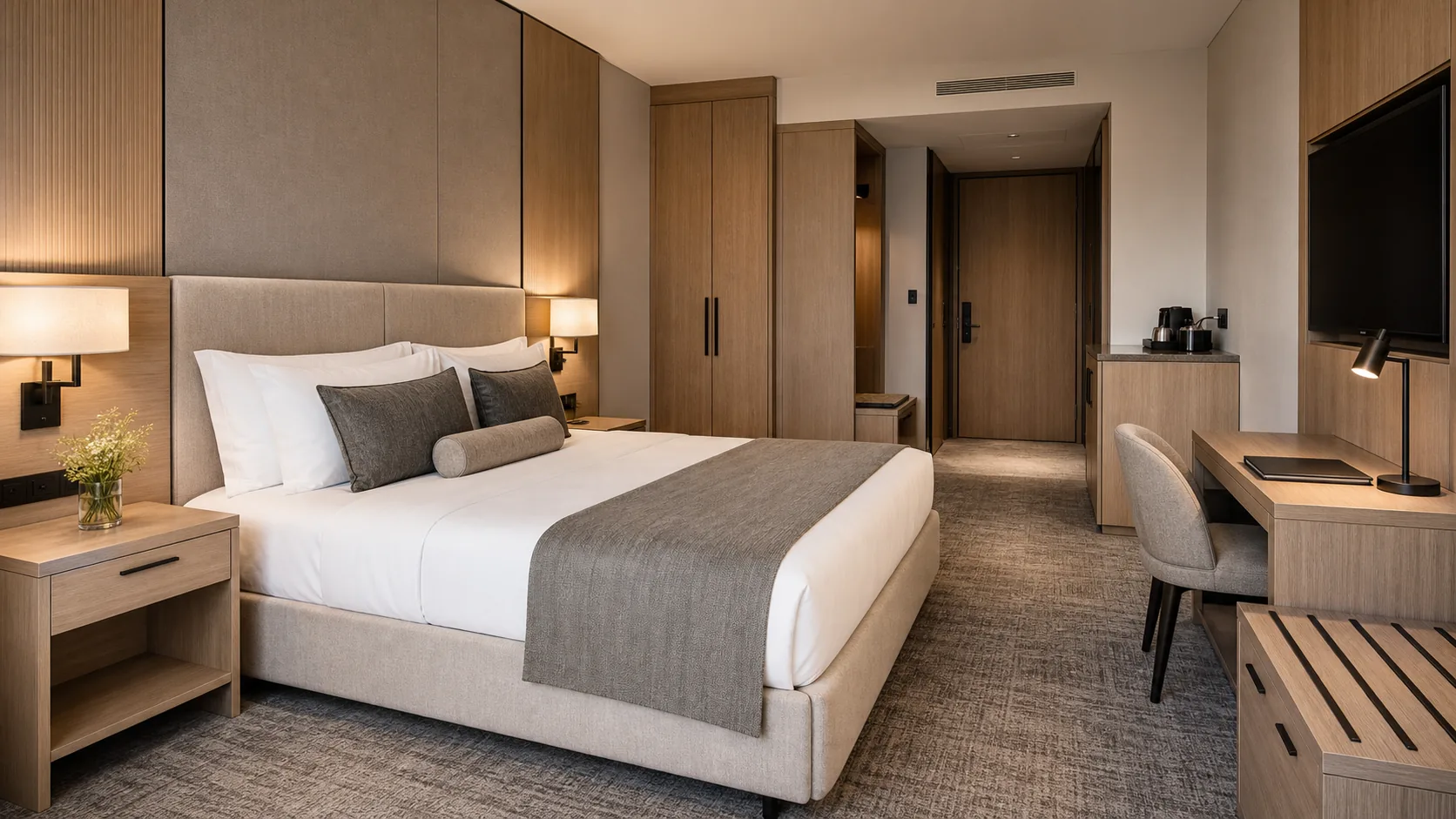
يجب أن يتضمن طلب عرض الأسعار الخاص بالأثاث الخزاني ما يلي:
- أنواع الغرف، وعددها، ورموز الأثاث؛;
- المخططات، والواجهات، والمقاطع، والأبعاد الرئيسية؛;
- متطلبات الركيزة، والقشرة الخشبية، والرقائق الخشبية، والخشب الصلب، والمعدن، والحجر، والزجاج؛;
- مراجع البقع، والطلاء، واللمعان، والتشطيبات المعتمدة؛;
- المفصلات، والقضبان المنزلقة، والأقفال، والمقابض، وواجهات الطاقة/البيانات؛;
- متطلبات اختبار الأسواق المستهدفة ووضع العلامات؛;
- معايير الموافقة على النماذج الأولية أو غرفة العينات؛;
- تسمية الغرف/الطوابق، وتنسيق قائمة التعبئة، ومراحل الشحن.
استخدم «ليناتيس» دليل مواصفات الأثاث الفندقي لتنظيم هذه المدخلات قبل تحديد الأسعار.
4. أثاث الصالة وتناول الطعام في الهواء الطلق
يُعد الأثاث الخارجي إحدى الفرص الأكثر وضوحًا المدعومة بالبيانات. فقد كشفت دراسة استقصائية أجرتها «الرابطة الدولية للأثاث غير الرسمي» لعام 2025 أن 59% من الأسر التي تمتلك مساحة خارجية تخطط لشراء أثاث أو إكسسوارات خارجية خلال العام. وكان لدى 80 في المائة منها عنصر واحد على الأقل في قائمة الرغبات؛ وشملت العناصر الأكثر طلبًا كراسي الاسترخاء، وطاولات الطعام والكراسي، والمقاعد الطويلة، وأراجيح الشرفة، والأرائك.
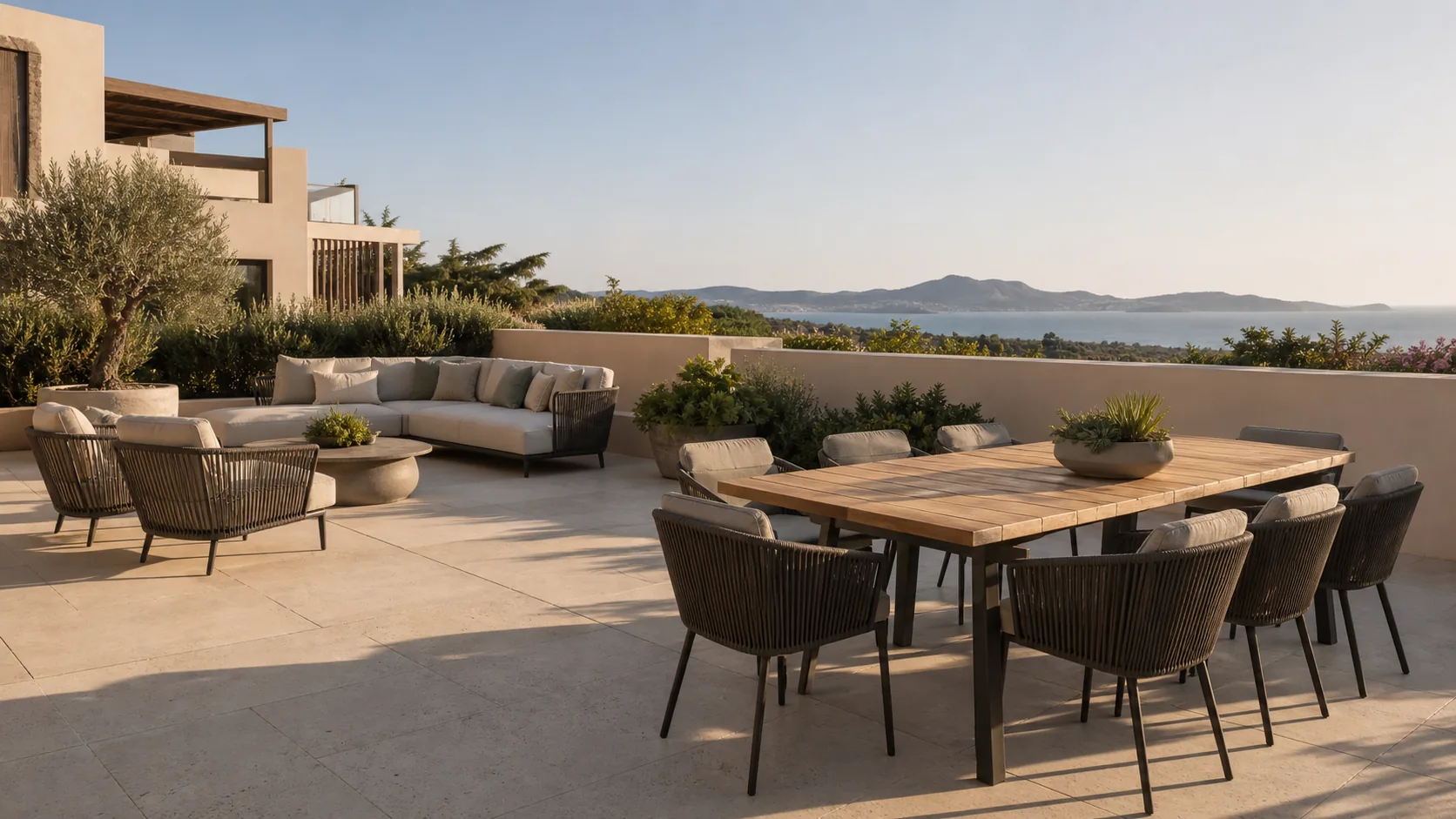
تكشف الدراسة نفسها عن الأمور التي تقلق المشترين. فقد أعطى 67 في المائة منهم الأولوية للجانب العملي والمتانة على حساب الأناقة. وبصرف النظر عن السعر، كانت أكبر العوائق هي التنظيف والعناية، وفقًا لما ذكره 42%، وعدم اليقين بشأن ما يجب شراؤه، وفقًا لما ذكره 34%. اطلع على تقرير اتجاهات الحياة في الهواء الطلق لعام 2025 الصادر عن ICFA.
بالنسبة للفنادق والمنتجعات والفيلات ومشاريع الأسطح، تشير هذه النتائج إلى أن العرض المقنع للمساحات الخارجية يتطلب أكثر من مجرد تصميم تصوري جذاب. يجب على المشترين مقارنة ما يلي:
- مادة الإطار والحماية من التآكل؛;
- تفاصيل الصرف وتجفيف الوسائد؛;
- أداء الأقمشة في مقاومة الأشعة فوق البنفسجية والرطوبة والبقع؛;
- توافر الأغطية القابلة للاستبدال والمكونات؛;
- الرياح، واعتبارات الاستقرار والرسو، حيثما ينطبق ذلك؛;
- الحماية أثناء التخزين والإغلاق الموسمي؛;
- تعليمات الصيانة وفقًا للمناخ المحلي.
في الوجهات التي تتميز بالحرارة والرطوبة أو الساحلية أو التي ترتفع فيها مستويات الأشعة فوق البنفسجية، ينبغي اختيار المواد وفقًا لظروف التعرض الفعلية، بدلاً من الاكتفاء بوصفها ببساطة بأنها “مناسبة للاستخدام في الهواء الطلق”.”
ما هي الفئة التي ينبغي أن يعطيها مشروعك الأولوية؟
يعتمد الجواب الصحيح على نموذج التشغيل، وليس على أسلوب التصميم فحسب.
| نوع المشروع | أنواع الأثاث التي يجب إعطاؤها الأولوية | التركيز الرئيسي على المواصفات |
|---|---|---|
| غرف النزلاء في الفندق | أسرة، وألواح رأس السرير، وطاولات جانبية، ومكاتب، وخزائن ملابس، ومقاعد لتخزين الحقائب | جدول الغرف، والأبعاد، وواجهات التوصيل، والمتانة، والتعبئة لكل غرفة على حدة |
| ردهة الفندق أو الصالة | أرائك قابلة للتجميع، وكراسي استرخاء، وطاولات جانبية | تصميمات مرنة، وأداء التنجيد، والراحة، والمكونات القابلة للاستبدال |
| مطعم أو مقهى | كراسي الطعام، والطاولات، والمقاعد الطويلة، ومقاعد البار | الثبات، وسهولة التنظيف، وراحة المقعد، ومزلقات الأرضية، والصيانة |
| فيلا أو مسكن فاخر | أثاث متناسق لغرفة النوم وغرفة المعيشة وغرفة الطعام | الأبعاد المخصصة، وتناسق التشطيب، والراحة، والتفاصيل البصرية |
| شقة فندقية | مقاعد قابلة للتعديل، وأسرّة مزودة بمساحات تخزين، ومجموعات طاولات الطعام، وخزائن التخزين | كفاءة استخدام المساحة، والتكرار، والتخطيط للتخزين والاستبدال |
| منتجع أو منطقة خارجية | كراسي الاسترخاء، والأرائك، ومجموعات الطعام، والمقاعد الطويلة، والطاولات الجانبية | مقاومة للأشعة فوق البنفسجية والرطوبة، وتصريف المياه، ومقاومة التآكل، وسهولة العناية |
قاعدة عملية: حدد متطلبات الأداء قبل طلب السعر النهائي
لا تشير البيانات إلى نوع واحد “أفضل” من الأثاث يناسب الجميع. بل تشير إلى نمط شراء شائع: فالعملاء يرغبون في المزيد من الخيارات والمرونة، لكنهم يحتاجون أيضًا إلى المتانة، والوضوح في الصيانة، والتنفيذ الموثوق للمشروع.
قبل أن تطلب من الموردين التنافس على السعر، قم بتزويد كل منهم بنفس المعلومات:
- كشوف الكميات والكميات؛;
- الرسومات أو المراجع الأبعاد؛;
- موقع المشروع والاستخدام المقصود؛;
- المواد واتجاه التشطيب؛;
- الاختبارات أو المعايير المطلوبة؛;
- توقعات النموذج الأولي؛;
- مراحل التسليم المستهدفة؛;
- مسؤوليات التعبئة ووضع الملصقات والتركيب.
في غياب مواصفات موحدة، قد تصف عروض الأسعار المتنافسة منتجات تبدو متشابهة ظاهريًّا، لكنها تختلف اختلافًا كبيرًا من حيث التصنيع والاختبار والتعبئة ونطاق الخدمات.
الأسئلة الشائعة
هل الأرائك المكونة من وحدات مناسبة لردهات الفنادق؟
نعم، عندما يتم تحديد الوحدات والموصلات والمفروشات وخطة الصيانة للاستخدام التجاري. ويجب على المشتري الموافقة على كل من الوحدات الفردية والتصميم الكامل.
ما هي قطع الأثاث التي تشملها عادةً باقة غرفة النزيل في الفندق؟
قد تشمل التجهيزات النموذجية سريرًا أو قاعدة سرير، ولوح رأس السرير، وطاولات جانبية، ومكتبًا، وكرسيًا، وخزانة ملابس، ووحدة ميني بار، ومنضدة للأمتعة، ووحدة تلفزيون، ومقاعد صالة مختارة. ويجب أن تتوافق الحزمة المحددة مع مخطط الغرفة ومتطلبات المشغل.
هل الأثاث المصنوع حسب الطلب أغلى دائمًا من الأثاث القياسي؟
ليس بالضرورة. تعتمد التكلفة على الكمية والمواد والأدوات المستخدمة وطريقة التصنيع ومدى تعقيد التشطيب والاختبارات. كما أن التخصيص يمكن أن يقلل من المشكلات التي قد تنشأ في موقع التركيب، حيث إنه يحل مسائل الأبعاد والواجهات والمتطلبات الخاصة بالغرفة قبل بدء الإنتاج.
ما الذي يجب على المشترين الانتباه إليه عند شراء الأثاث الخارجي؟
تحقق من الهيكل، والطلاءات، ومثبتات التثبيت، والنسيج، والرغوة، ونظام التصريف، والتعرض للأشعة فوق البنفسجية، ومخاطر التآكل، وتعليمات التنظيف، وتوافر قطع الغيار. يجب أن تعكس المتطلبات المناخ السائد في مكان الاستخدام.
ما هي المعلومات المطلوبة لإعداد عرض أسعار دقيق للمشروع؟
يرجى إرسال موقع المشروع، وقائمة الأثاث، والكميات، والرسومات، والأبعاد، والمواد، والتشطيبات، والمعايير، والوجهة، والجدول الزمني المستهدف. بالنسبة لمشاريع قطاع الضيافة، يرجى تضمين أنواع الغرف وقائمة كميات المواد (BOQ) إن توفرت.
استشارة بشأن المشروع
هل تخطط لتنفيذ مشروع أثاث؟
تقدم شركة «ليناتيس» برامج أثاث مصممة خصيصًا للفنادق والفيلات والشقق والمطاعم والمساحات التجارية الأخرى. اطلع على القدرات في تنفيذ مشاريع الأثاث الفندقي المخصص أو أرسل معلومات مشروعك, ، بما في ذلك الموقع، ونطاق الأثاث، والكميات، والرسومات أو قائمة الكميات، والوجهة، والجدول الزمني المطلوب.
مصادر البيانات
- مجلة “Furniture Today” / «رؤى استراتيجية»، «انخفاض عدد المستهلكين الذين يطلبون تخصيص الأثاث المنجد عند شرائه»، 10 فبراير 2025: https://www.furnituretoday.com/research-and-analysis/fewer-consumers-customize-when-buying-upholstered-furniture/
- Houzz، “8 اتجاهات في عالم الأثاث يجب معرفتها في عام 2025”، 3 مايو 2025: https://www.houzz.com/magazine/8-furniture-trends-to-know-in-2025-stsetivw-vs~181429728
- مركز أبحاث Houzz، “دراسة Houzz & Home لعام 2025 في الولايات المتحدة”: https://st.hzcdn.com/static/econ/2025-US-Houzz-and-Home.pdf
- الرابطة الدولية للأثاث غير الرسمي، “تقرير اتجاهات الحياة في الهواء الطلق لعام 2025”، 24 مارس 2025: https://www.icfanet.org/news/2025_trend_report/
ملاحظة تحريرية: تصف نتائج الاستطلاع الفئات السكانية والأسواق التي يغطيها كل مصدر. وهي تمثل أدلة توجيهية لتخطيط المنتجات، وليست تنبؤات بالطلب في كل بلد أو مشروع.